

A Catholic pilgrimage to Rome begins before you arrive in the Eternal City. Prayerful preparation, realistic planning and a clear understanding of what you hope to encounter will help you receive Rome as a place of apostles, martyrs, basilicas, relics and living Catholic worship.
This Catholic Rome checklist covers spiritual preparation, packing, church etiquette, mobility and tour choices. It provides practical value without turning pilgrimage into a hurried route plan or revealing the interpretative work properly reserved for your Catholic guide.
Download the Catholic Rome Pilgrim Planner
Print the free three-page Catholic Rome Pilgrim Planner and use it for your intentions, packing, church etiquette, tour choices and pilgrimage notes.
1. Begin with a pilgrimage intention
Rome can overwhelm even experienced travellers. The city contains more churches, saints, relics and works of sacred art than anyone can encounter properly in one visit. A written intention helps prevent the pilgrimage from becoming a collection of photographs and exhausted memories.
- Write down the people and intentions you will carry to Rome.
- Identify the saints, mysteries or periods of Church history that draw you most.
- Decide whether Mass, Confession, Adoration or private prayer should shape particular days.
- Ask for the grace to accept necessary changes with patience.
A pilgrimage intention does not require a rigid timetable. It gives spiritual unity to the days while leaving room for the life of the Church and the needs of the people travelling with you.
2. Choose packages or individual Catholic tours
A pilgrimage package is appropriate when you want a coherent Catholic programme across several days. Individual tours work better when you have a particular interest, limited time or an existing Rome itinerary to which you want to add Catholic depth.
Crucis offers one-, two-, three- and four-day Catholic Rome packages. The five-day pilgrimage contains four days in Rome and a final day in Assisi. Our Catholic Rome in 1, 2, 3 or 4 Days planner explains the differences.
If you prefer individual experiences, use the guide to choosing a Catholic church tour in Rome and compare products by pilgrimage purpose.
3. Reserve the experiences that matter most
Once your travel dates are firm, identify the experiences that are central to the pilgrimage rather than postponing every decision until arrival. Availability, liturgies and church arrangements can change, especially around major celebrations.
- Confirm your accommodation and wider travel arrangements.
- Book the Catholic tours or pilgrimage package most important to you.
- Tell Crucis Tours about mobility, accessibility or group needs before booking.
- Keep the booking confirmation and supplied contact details accessible.
- Recheck dates, start times and meeting information before travel.
4. Catholic Rome packing checklist
| Essential | Why it matters |
|---|---|
| Comfortable, supportive walking shoes | Rome pilgrimages involve walking and standing on varied historic surfaces. |
| Modest clothing covering shoulders and knees | Many churches apply a dress code appropriate to sacred space. |
| A light layer and seasonal weather protection | Conditions inside churches can differ from those outside. |
| Refillable water bottle | Hydration matters during sustained walking, especially in warmer months. |
| Prescribed medicines and health essentials | Carry what you may need during the guided period. |
| Photo identification and emergency contacts | Keep essential personal information secure and accessible. |
| Charged telephone and power bank | Useful for booking information and contact if arrangements change. |
| Small, secure day bag | Carry only what you need and keep valuables close. |
| Rosary, prayer book and notebook | Supports prayer and helps preserve what you want to remember. |
5. Prepare for active Catholic churches
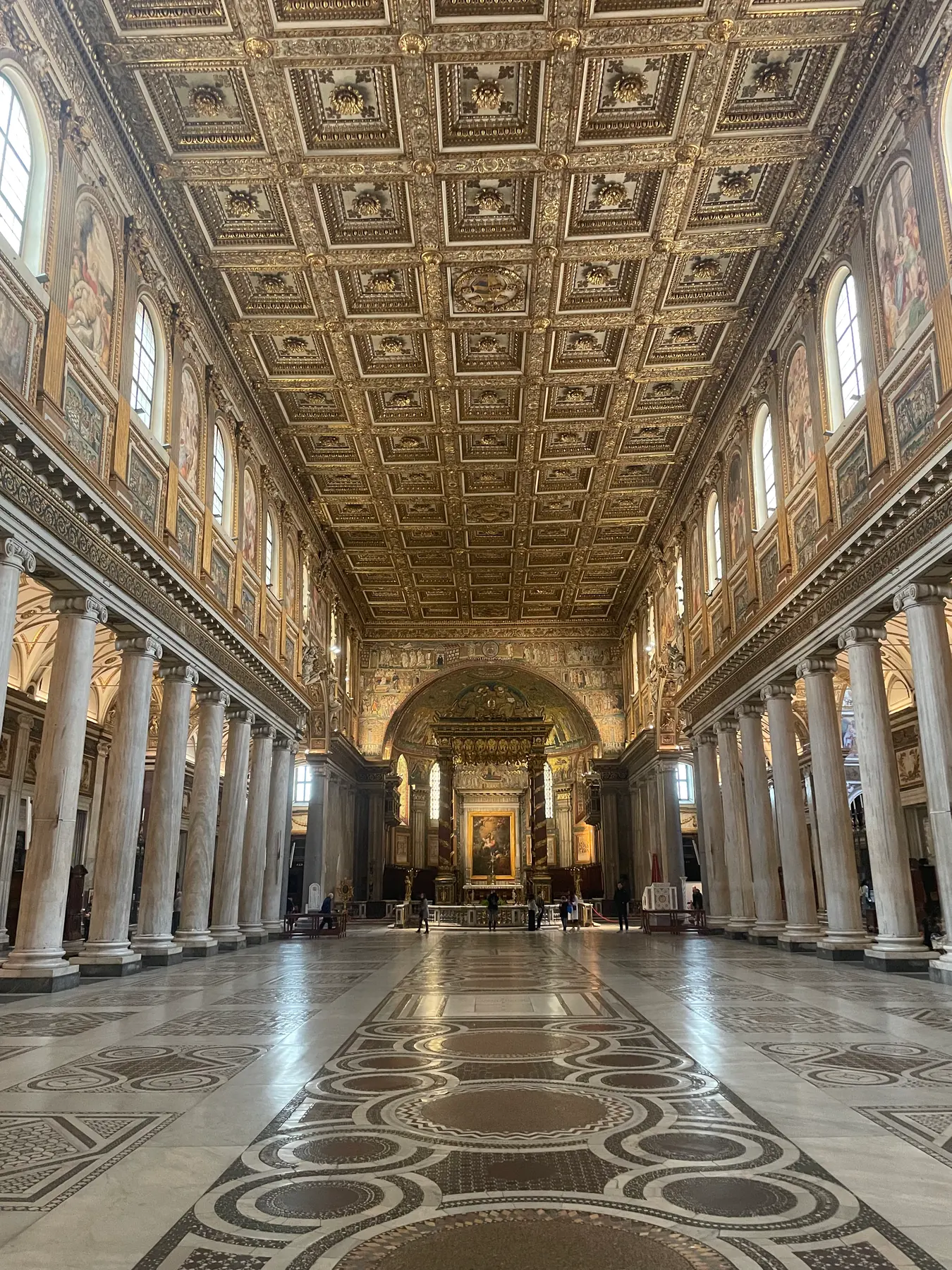
Rome’s basilicas and churches are not museums with Catholic decoration. They are places of Mass, Confession, prayer, pilgrimage and ordinary parish life. Visitors should be ready to adapt when the Church’s religious purpose takes priority.
- Dress modestly and follow instructions from church and security staff.
- Keep silence where requested.
- Never interrupt Mass, Confession or private prayer.
- Observe photography restrictions and avoid photographing people at prayer.
- Remember that access to a chapel or area can change for liturgical reasons.
- Treat relics as objects of veneration pointing towards Christ and the saints, not as curiosities.
6. Be realistic about mobility and energy
Historic Rome requires more physical effort than a map may suggest. Walking, standing, steps, uneven surfaces and warm weather can affect pilgrims differently. A good plan respects the least mobile person in the group rather than testing that person once the tour has begun.
- Discuss mobility and accessibility needs before booking.
- Choose an experience whose duration suits the group.
- Leave time for rest, meals and personal prayer.
- Carry necessary medicines and tell the guide promptly if a health concern arises.
- Avoid filling every available hour simply because Rome offers so much.
7. Make spiritual preparation practical
Read enough about the saints and basilicas to recognise why they matter, but do not try to learn the entire tour in advance. The guide’s role is to bring the history, theology, sacred art and traditions together when you are present in the church.
Consider receiving Confession before departure. Bring the Scripture passages, prayers or intentions that will help you respond to what you encounter. If travelling with children, friends or a parish group, discuss why you are making the journey and how the group will protect time for prayer.
8. On the day of a guided pilgrimage
- Check the meeting point and start time supplied with your booking.
- Arrive prepared for the stated walking duration and local weather.
- Keep the guide’s contact information accessible.
- Carry only what you need and keep valuables secure.
- Ask questions while allowing the guide to preserve the prayerful rhythm of the experience.
- Leave space for other worshippers and follow instructions promptly.
Common Catholic pilgrimage planning mistakes
Trying to see everything. Rome is too rich for a complete checklist. Choose coherent themes and accept that another pilgrimage can deepen what the first began.
Treating churches as attractions. Historical and artistic interest should serve, not replace, the religious meaning of the building.
Ignoring mobility. A plan that looks manageable on paper may involve substantial walking and standing.
Assuming every arrangement is fixed. Active churches respond to liturgies, papal events and pastoral needs. Some flexibility belongs to pilgrimage.
Leaving no time for prayer. The purpose is not merely to hear information. Allow the churches and relics to become places of encounter with Christ.
Receive the Catholic Rome Pilgrim Briefing
Subscribe for Catholic Rome planning articles, pilgrimage inspiration, sacred-site updates and new Crucis Tours dates.
Plan your Catholic pilgrimage to Rome
Explore all Catholic tours in Rome, or choose a complete programme from the Rome pilgrimage packages.