Where are the popes buried? Explore St Peter’s, St John Lateran, St Mary Major, San Clemente, St Sebastian, St Lawrence and Rome’s catacombs in this authoritative Catholic guide.
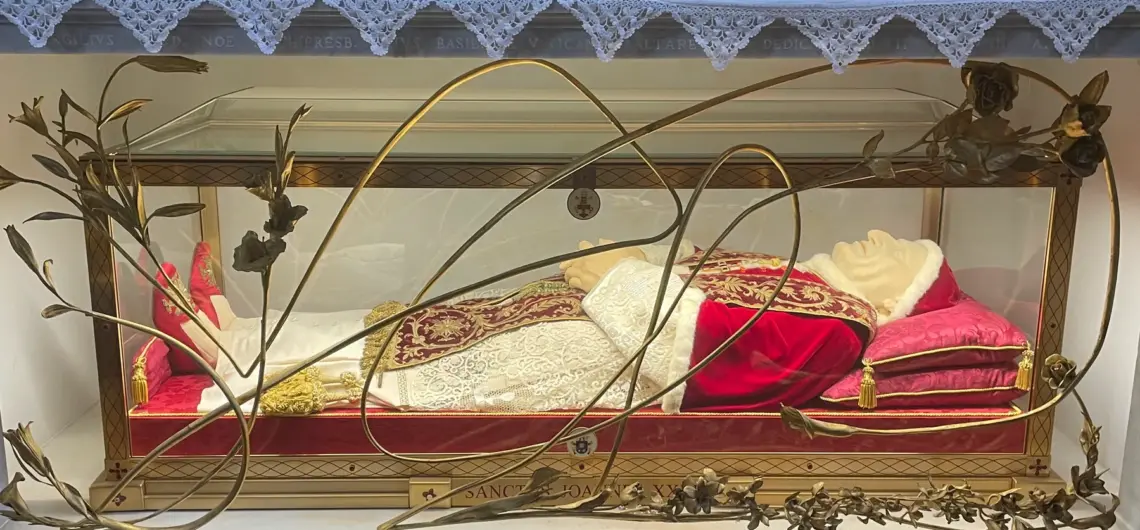
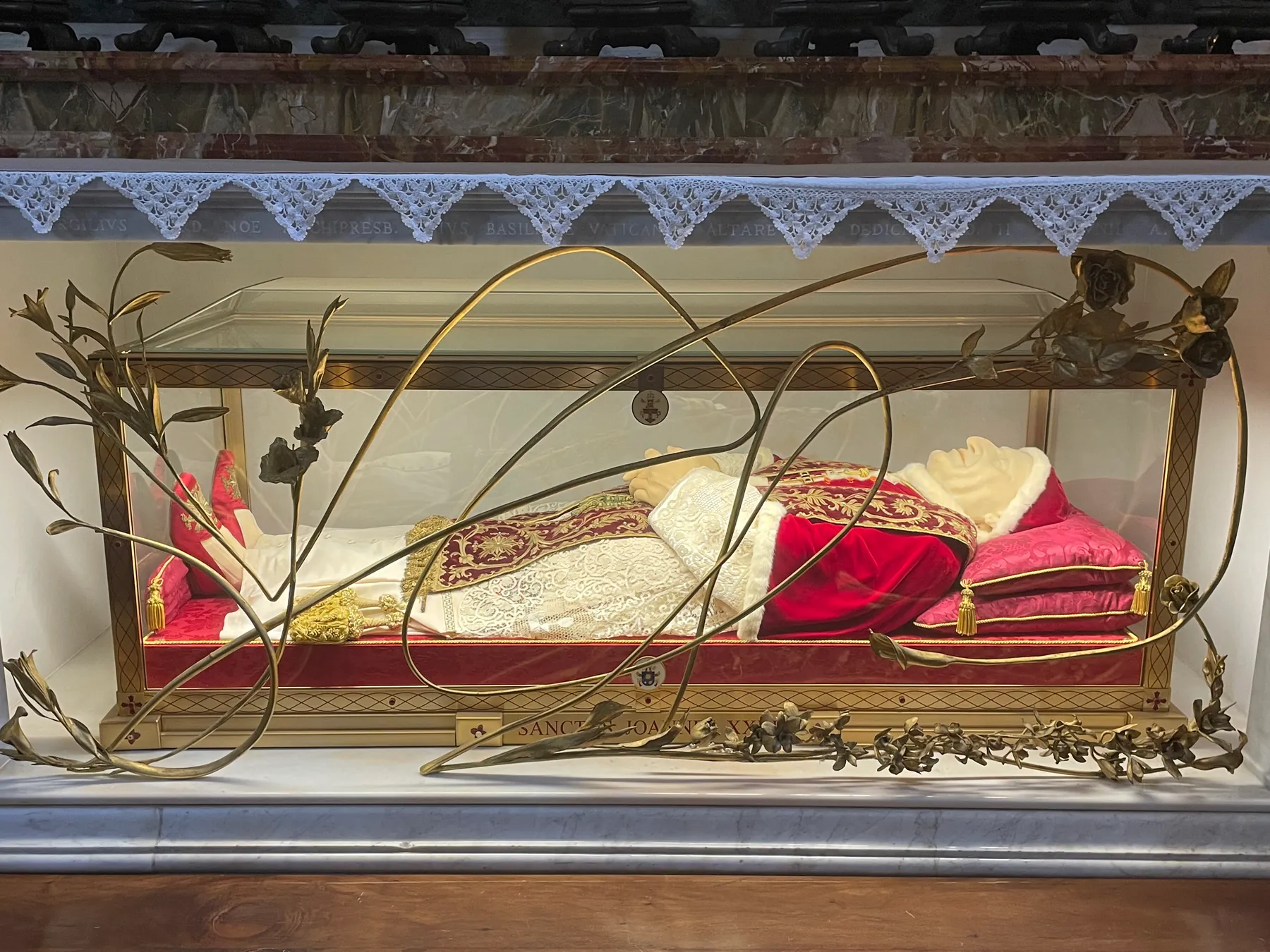
Tomb of Pope Saint John XXIII in St Peter’s Basilica, Vatican City.
Where are the popes buried? Most of the surviving papal tombs are in Rome, above all in St Peter’s Basilica. Yet the burial places of the successors of St Peter form a sacred map extending across the Eternal City—from the Vatican Grottoes to St John Lateran, St Mary Major, St Lawrence Outside the Walls, San Clemente and the ancient catacombs.
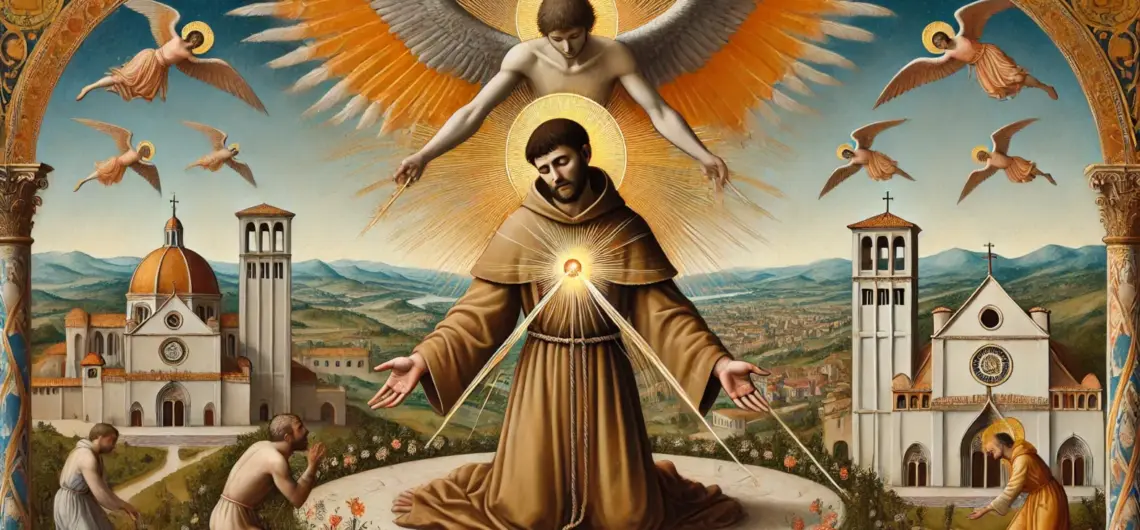
Plan a Catholic pilgrimage to Assisi with this guide to St Francis, St Clare, the principal sacred places and the four Crucis Tours experiences.
Updated 20 August 2026
A Catholic pilgrimage to Assisi brings pilgrims into the city shaped by St Francis, St Clare and centuries of Franciscan prayer. The basilicas, medieval streets, convents and sacred places are not simply reminders of two admired historical figures. They bear witness to lives transformed by Jesus Christ and to a Catholic vocation of poverty, penance, charity and fidelity to the Gospel.
Assisi can be encountered in one focused hour, several hours or a full day. The right choice depends upon whether the principal desire is to pray at the tomb of St Francis, understand the city connected with Francis and Clare, or make a fuller Catholic pilgrimage through the places that formed their lives.
Discover the four Major Basilicas of Rome—St Peter’s, St John Lateran, St Mary Major and St Paul Outside the Walls—and learn how to visit them as a Catholic pilgrim.
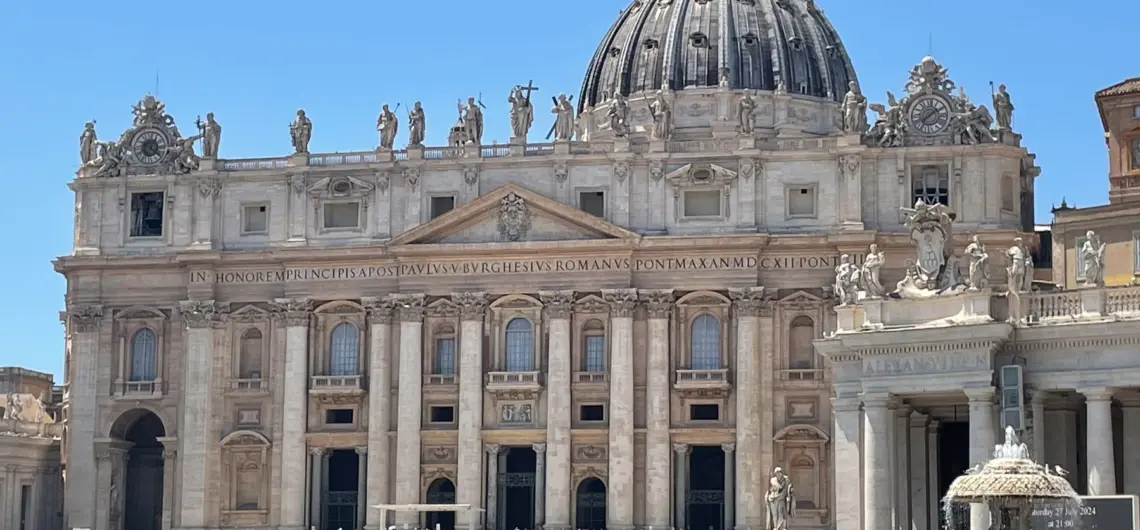
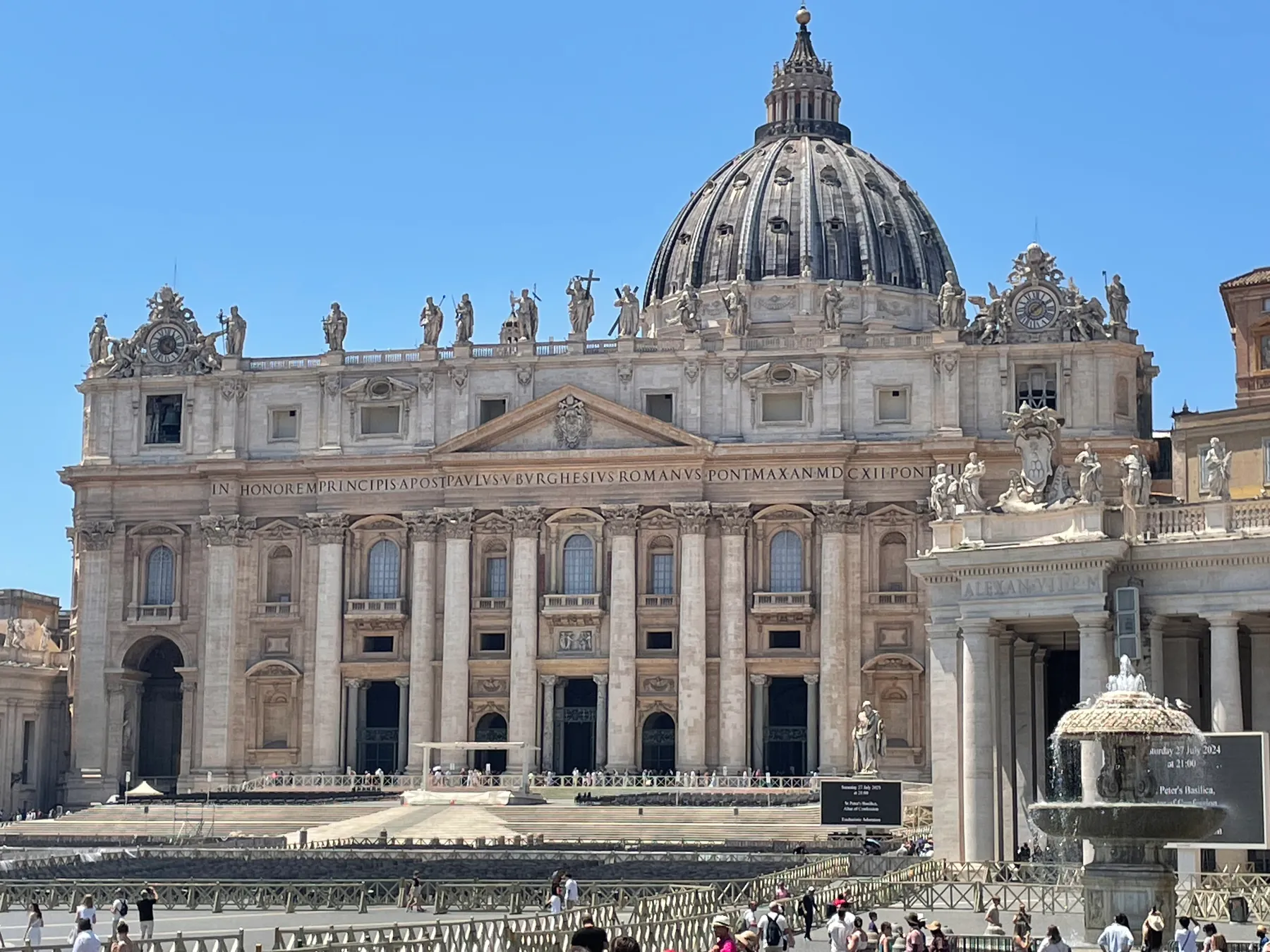
Facade and dome of St Peter’s Basilica seen from St Peter’s Square, Vatican City.
Updated 20 August 2026
The four Major Basilicas of Rome are St Peter’s Basilica, the Archbasilica of St John Lateran, St Mary Major and St Paul Outside the Walls. Together they stand at the heart of Catholic Rome, joining the tombs of the Apostles, the Cathedral of the Pope, the Church’s devotion to Our Lady and the living pilgrimage tradition of the Eternal City.
For Catholic pilgrims, these are not simply four famous churches to place on a sightseeing list. Each basilica expresses a distinct part of the Church’s history and identity. Visiting all four creates a coherent pilgrimage through apostolic memory, sacred relics, Catholic worship, mosaics, architecture and the continuity of the Church in Rome.
Facade and dome of St Peter’s Basilica seen from St Peter’s Square, Vatican City. A Catholic pilgrimage to Rome begins before you arrive in the Eternal City. Prayerful preparation, realistic planning and a clear understanding of what you hope to encounter will help you receive Rome as a place of apostles, martyrs, basilicas, relics and living Catholic worship. This Catholic Rome checklist covers spiritual preparation, packing, church etiquette, mobility and tour choices. It provides practical value without turning pilgrimage into a hurried route plan or revealing the interpretative work properly reserved for your Catholic guide. Download the Catholic Rome Pilgrim Planner Print the free three-page Catholic Rome Pilgrim Planner and use it for your intentions, packing, church etiquette, tour choices and pilgrimage notes. Download the Catholic Rome Pilgrim Planner 1. Begin with a pilgrimage intention Rome can overwhelm even experienced travellers. The city contains more churches, saints, relics and works of sacred art than anyone can encounter properly in one visit. A written intention helps prevent the pilgrimage from becoming a collection of photographs and exhausted memories. Write down the people and intentions you will carry to Rome.Identify the saints, mysteries or periods of Church history that draw you most.Decide whether Mass, Confession, Adoration or private prayer should shape particular days.Ask for the grace to accept necessary changes with patience. A pilgrimage intention does not require a rigid timetable. It gives spiritual unity to the days while leaving room for the life of the Church and the needs of the people travelling with you. 2. Choose packages or individual Catholic tours A pilgrimage package is appropriate when you want a coherent Catholic programme across several days. Individual tours work better when you have a particular interest, limited time or an existing Rome itinerary to which you want to add Catholic
Facade and dome of St Peter’s Basilica seen from St Peter’s Square, Vatican City.
A Catholic pilgrimage to Rome begins before you arrive in the Eternal City. Prayerful preparation, realistic planning and a clear understanding of what you hope to encounter will help you receive Rome as a place of apostles, martyrs, basilicas, relics and living Catholic worship.
This Catholic Rome checklist covers spiritual preparation, packing, church etiquette, mobility and tour choices. It provides practical value without turning pilgrimage into a hurried route plan or revealing the interpretative work properly reserved for your Catholic guide.
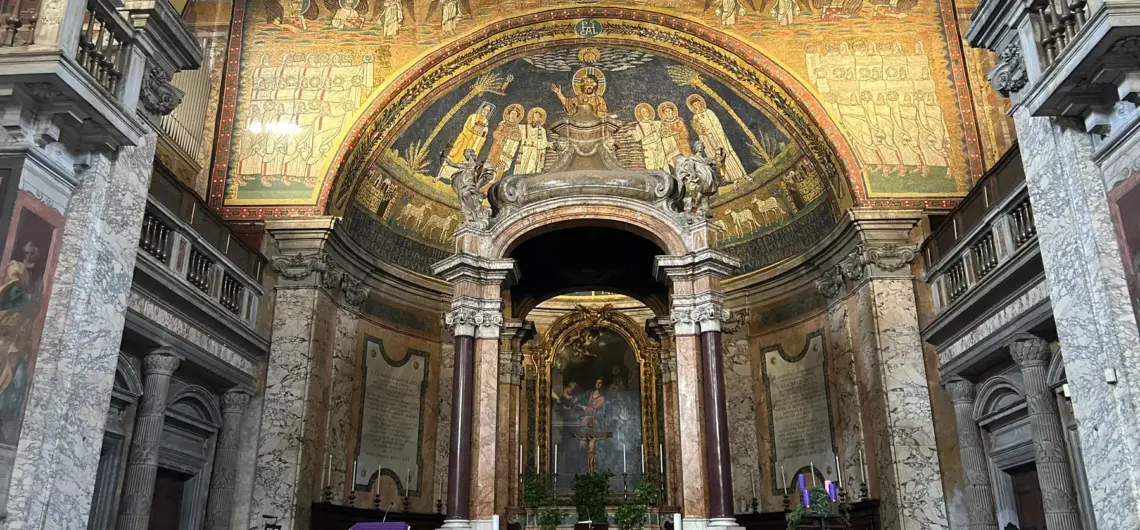
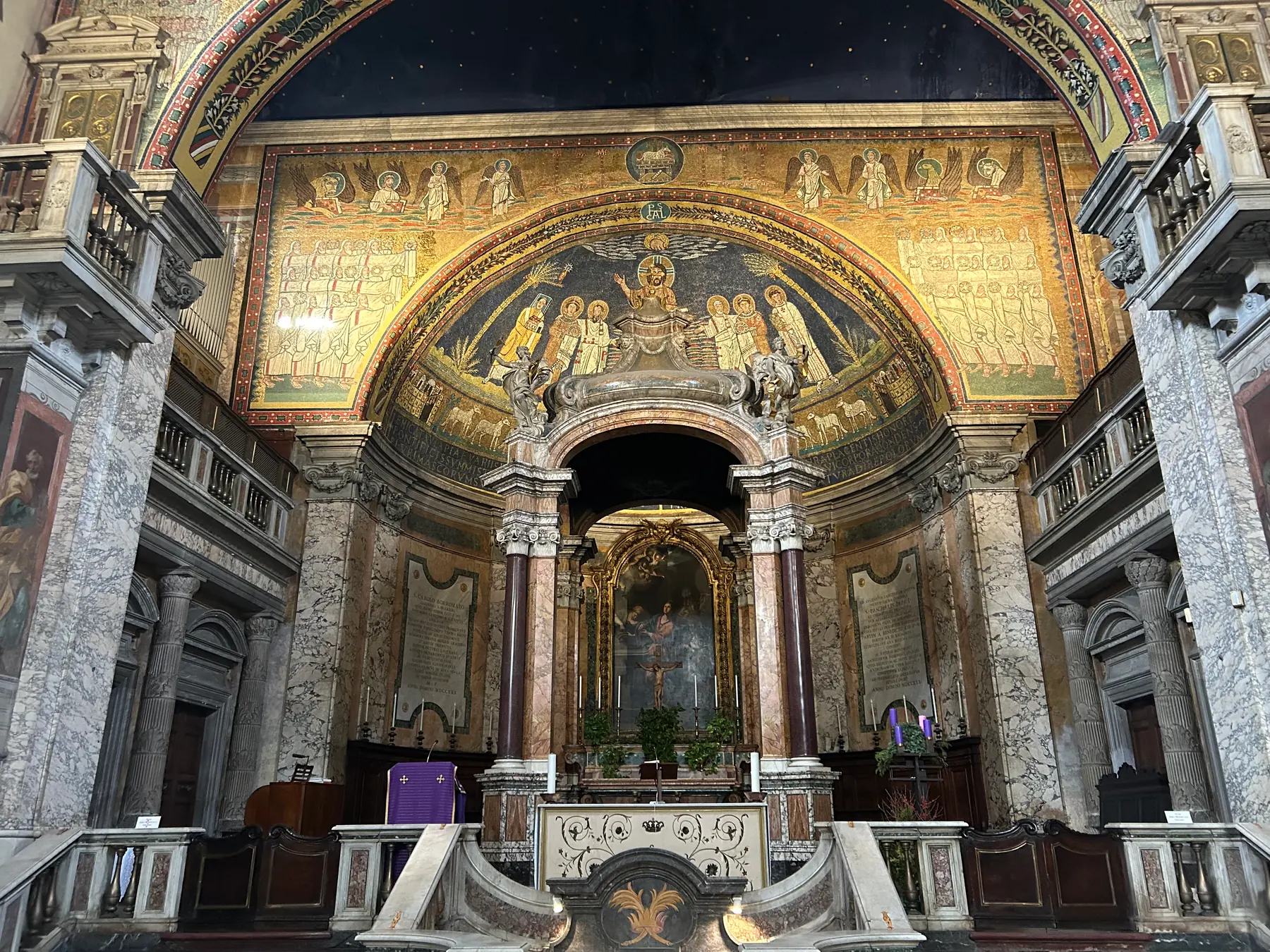
Apse mosaics and high altar of Santa Prassede, Rome. Choosing among Catholic church tours in Rome becomes much easier once you decide what kind of pilgrimage you want to make. Rome offers papal basilicas, relics associated with Christ and the apostles, early Christian sites, underground archaeology, martyrs, saints and sacred art. No single tour can explore all of these well. This guide compares Crucis Tours products transparently by pilgrimage purpose. It is not a supposedly neutral ranking: the best Catholic tour in Rome is the one that fits your spiritual interests, available time and mobility. Start with the purpose of your pilgrimage Some pilgrims arrive in Rome wanting to encounter the four great papal basilicas. Others are drawn particularly to the Passion of Christ, the witness of St Peter and St Paul, the age of persecution, the catacombs or the development of Catholic sacred art. A family making its first visit may need a different experience from a parish group returning for a second or third pilgrimage. Begin by asking what you most want to understand and pray with. That answer is more useful than looking for a generic list of the “top” churches. Pilgrimage interestCrucis tour to considerWhy it fitsA first Catholic pilgrimage4 Major Basilicas in 1 DayBrings together Rome’s four Major Basilicas in one coherent Catholic experience.Relics of Christ and the PassionVia Crucis – Relics of Christ TourFollows the Incarnation and Passion through six sacred sites and Rome’s principal relic traditions.St Peter, St Paul and martyrdomSts Peter & Paul in Chains TourConcentrates upon the apostles, their chains and Roman martyrdom traditions.The earliest centuries of the ChurchEarly Christianity Tour RomeExplores the movement from the Apostolic Age and underground Church to public Christian Rome.Christian Rome undergroundSt Clement’s Basilica – Apostolic Rome Underground TourDescends through the successive religious and historical levels
Apse mosaics and high altar of Santa Prassede, Rome.
Choosing among Catholic church tours in Rome becomes much easier once you decide what kind of pilgrimage you want to make. Rome offers papal basilicas, relics associated with Christ and the apostles, early Christian sites, underground archaeology, martyrs, saints and sacred art. No single tour can explore all of these well.
This guide compares Crucis Tours products transparently by pilgrimage purpose. It is not a supposedly neutral ranking: the best Catholic tour in Rome is the one that fits your spiritual interests, available time and mobility.
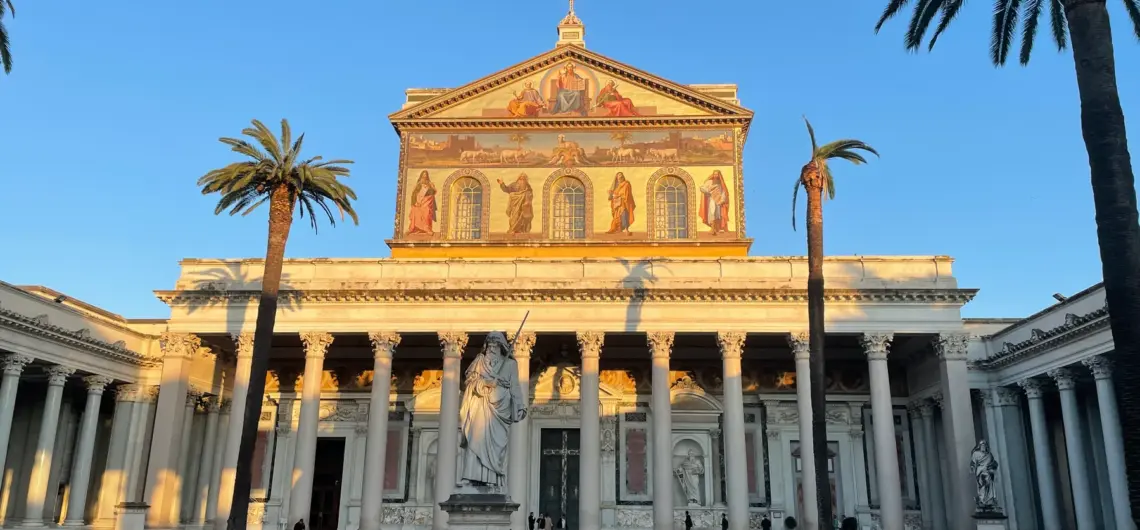
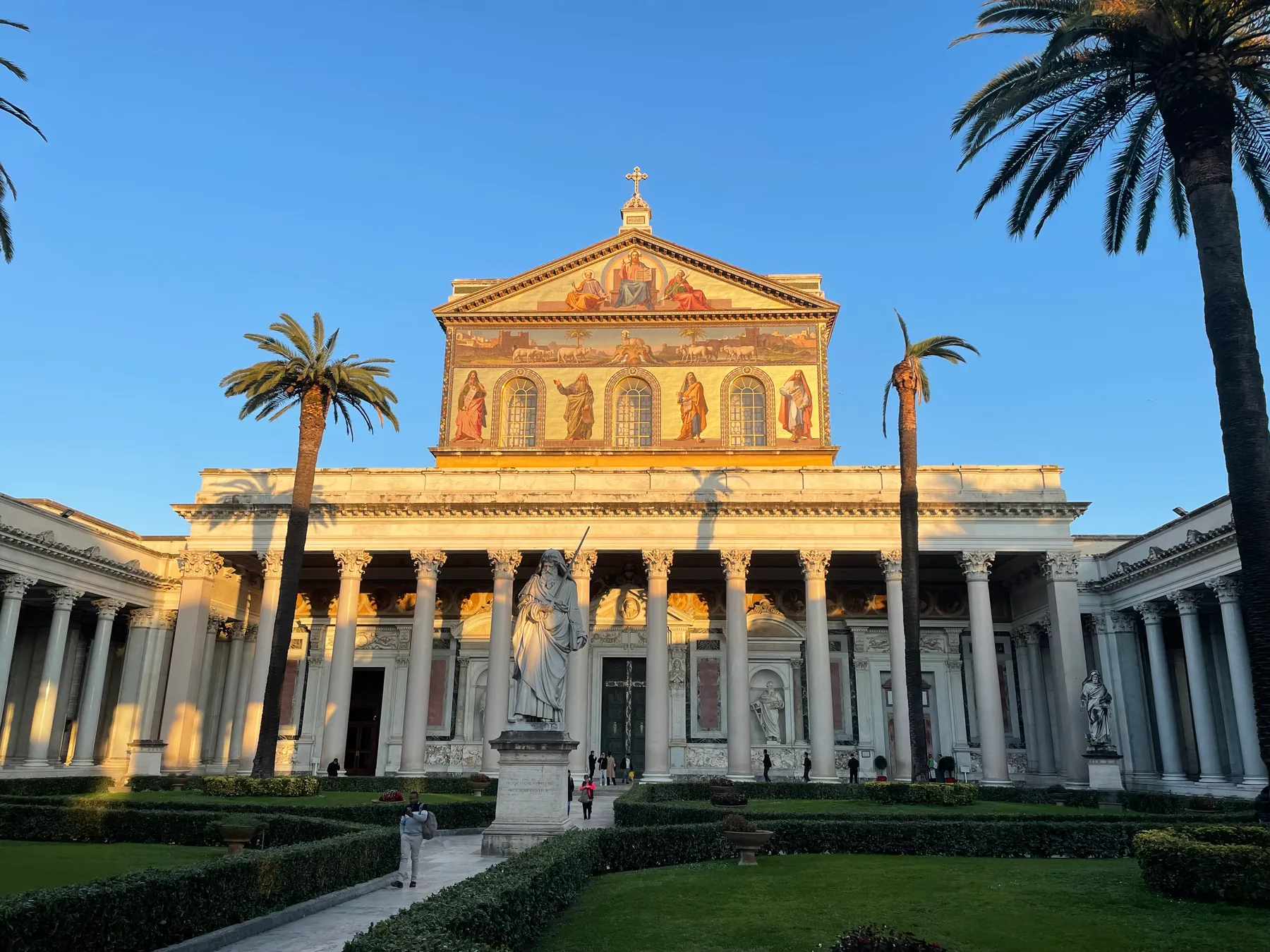
Courtyard and sunlit facade of St Paul Outside the Walls, Rome. Rome, often called the Eternal City, has long been a destination for Christian pilgrims seeking spiritual renewal and a connection to the faith’s earliest roots. One of the most historically significant pilgrimage traditions in Rome is the 7 Pilgrim Churches route, popularized in the 16th century by St. Philip Neri. This sacred journey involves visiting seven of the city’s most important churches, each holding deep religious and historical significance. In this article, we’ll explore the origins of the 7 Pilgrim Churches of Rome pilgrimage, the life of St. Philip Neri, the churches included in the tradition, and how the practice has evolved in modern times. The Origins of the 7 Pilgrim Churches of Rome Pilgrimage Pilgrimage has been an essential part of Christian spirituality for centuries, with Rome being a prime destination due to its status as the heart of the Catholic Church and the burial site of many apostles and saints. The 7 Pilgrim Churches of Rome pilgrimage traces its origins to the early Christian practice of visiting the city’s 4 major basilicas, especially during the Jubilee Years established by Pope Boniface VIII in 1300. By the 16th century, pilgrimage had become more structured, and it was St. Philip Neri who revitalized and popularized the devotion as a way to deepen faith, foster community, and encourage spiritual renewal. The Life and Mission of St. Philip Neri A Saint of Joy and Devotion St. Philip Neri (1515-1595) was an Italian priest known for his deep spirituality, joyful personality, and commitment to serving the poor. Born in Florence, he moved to Rome in 1533, where he dedicated himself to prayer, study, and works of charity. His charismatic nature and ability to connect with people earned him the nickname “Apostle of
Courtyard and sunlit facade of St Paul Outside the Walls, Rome.
Rome, often called the Eternal City, has long been a destination for Christian pilgrims seeking spiritual renewal and a connection to the faith’s earliest roots. One of the most historically significant pilgrimage traditions in Rome is the 7 Pilgrim Churches route, popularized in the 16th century by St. Philip Neri. This sacred journey involves visiting seven of the city’s most important churches, each holding deep religious and historical significance.
In this article, we’ll explore the origins of the 7 Pilgrim Churches of Rome pilgrimage, the life of St. Philip Neri, the churches included in the tradition, and how the practice has evolved in modern times.