

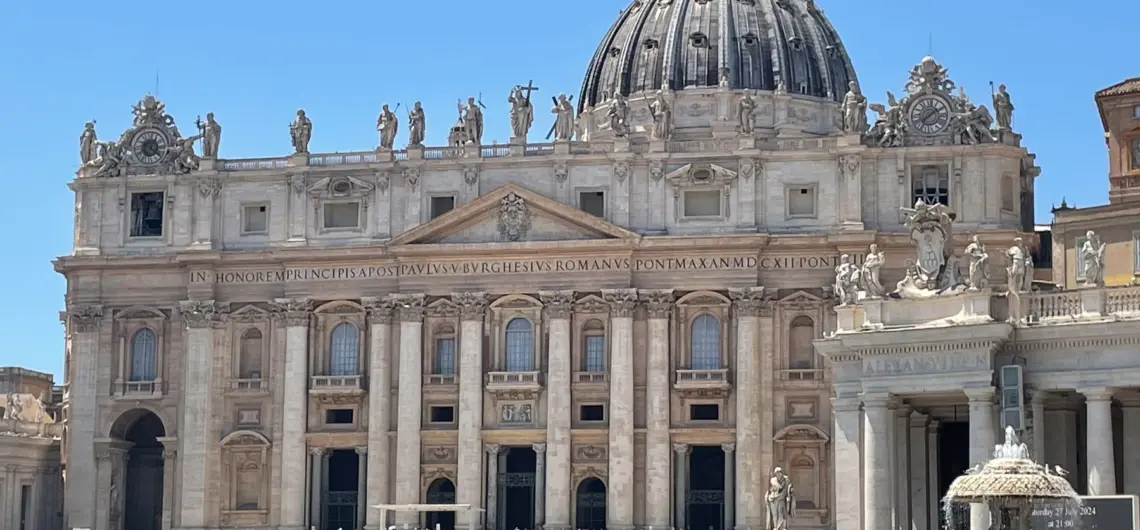
Facade and dome of St Peter’s Basilica seen from St Peter’s Square, Vatican City
Facade and dome of St Peter’s Basilica seen from St Peter’s Square, Vatican City.

Updated and verified: 24 August 2026 · Official Vatican links and practical details can change, so always recheck the Holy See calendar before travelling.

The two most reliable ways to see Pope Leo XIV in Rome are the Wednesday General Audience and the Sunday Angelus in St Peter’s Square. General Audiences usually require a free ticket; the Sunday Angelus normally does not. Papal Masses and special celebrations offer further opportunities, but dates, venues and ticket arrangements vary.

This Catholic guide explains how to see Pope Leo XIV, how to request official tickets without paying a fee, what each event is really like, and how to plan a visit responsibly. It also introduces Robert Francis Prevost—Chicago-born missionary, Augustinian friar, Bishop of Rome and the first pope from the United States—and the Roman churches that illuminate his office and vocation.
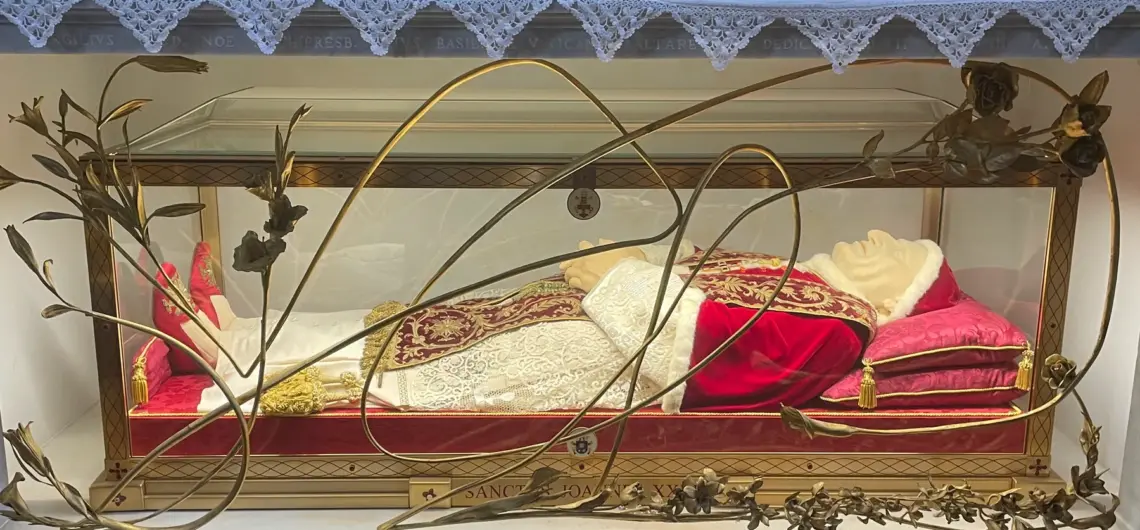
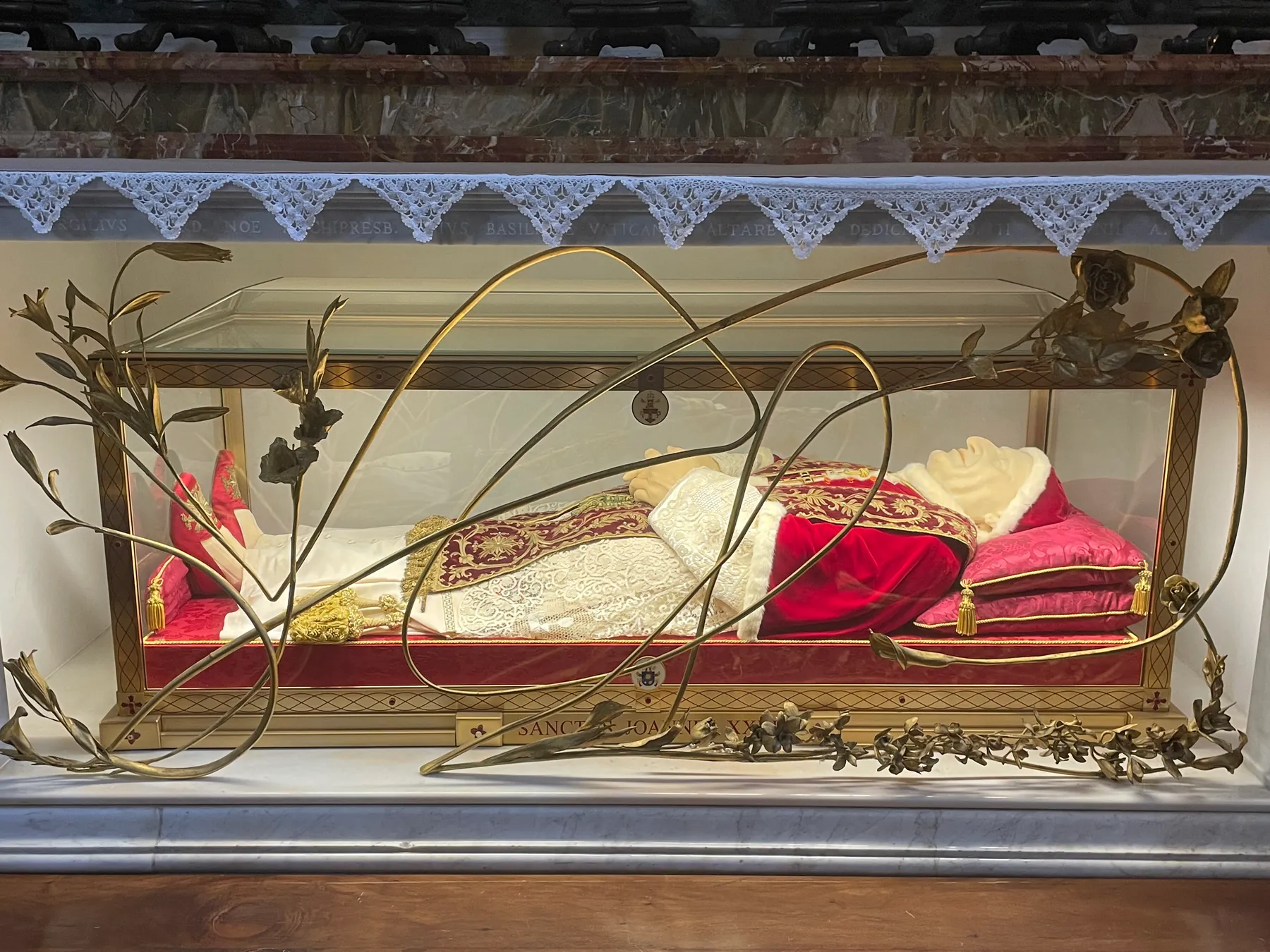
Tomb of Pope Saint John XXIII in St Peter’s Basilica, Vatican City
Tomb of Pope Saint John XXIII in St Peter’s Basilica, Vatican City.

Where are the popes buried? Most of the surviving papal tombs are in Rome, above all in St Peter’s Basilica. Yet the burial places of the successors of St Peter form a sacred map extending across the Eternal City—from the Vatican Grottoes to St John Lateran, St Mary Major, St Lawrence Outside the Walls, San Clemente and the ancient catacombs.

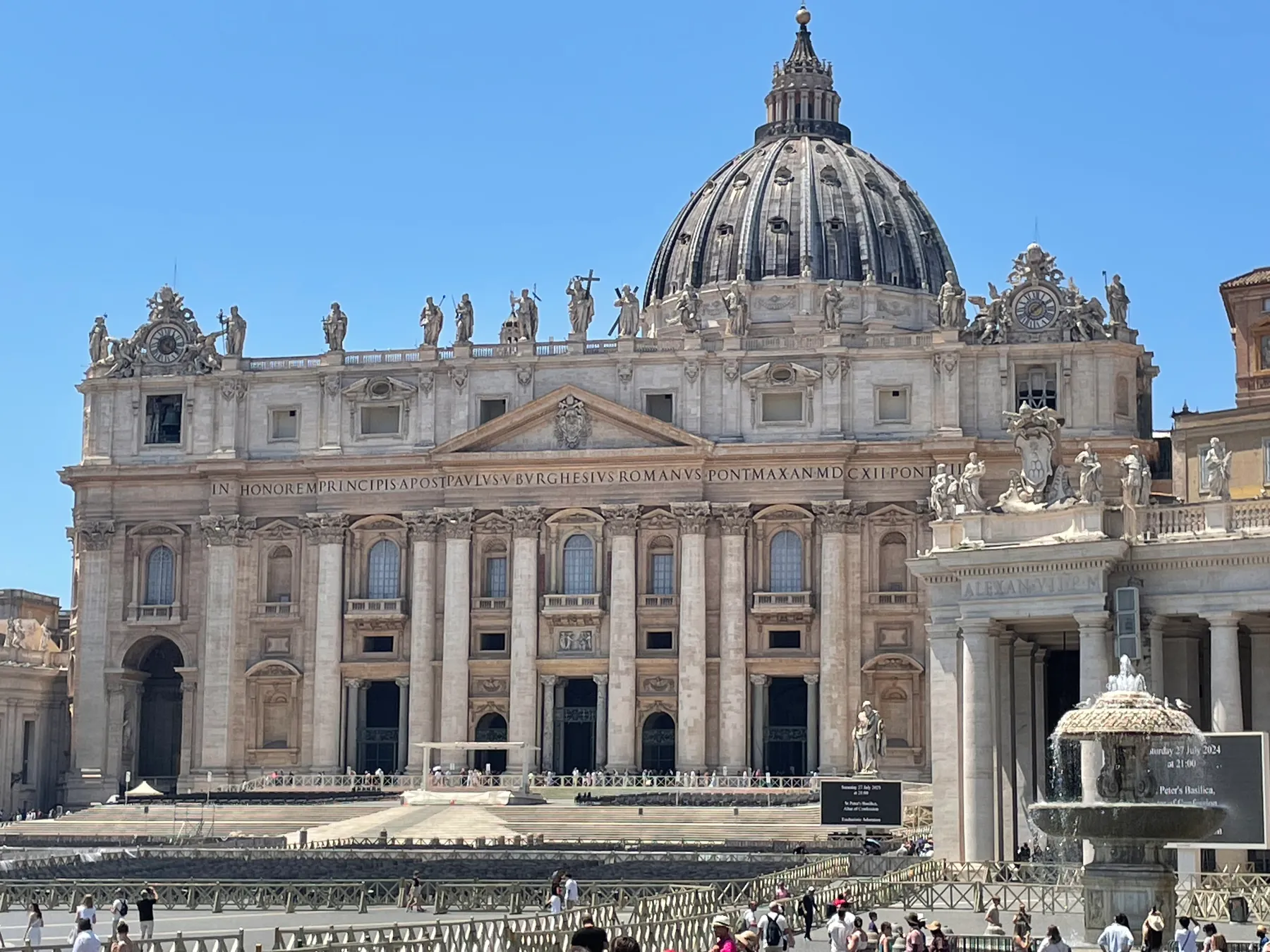
Facade and dome of St Peter’s Basilica seen from St Peter’s Square, Vatican City
Facade and dome of St Peter’s Basilica seen from St Peter’s Square, Vatican City.

Updated 20 August 2026

The four Major Basilicas of Rome are St Peter’s Basilica, the Archbasilica of St John Lateran, St Mary Major and St Paul Outside the Walls. Together they stand at the heart of Catholic Rome, joining the tombs of the Apostles, the Cathedral of the Pope, the Church’s devotion to Our Lady and the living pilgrimage tradition of the Eternal City.

For Catholic pilgrims, these are not simply four famous churches to place on a sightseeing list. Each basilica expresses a distinct part of the Church’s history and identity. Visiting all four creates a coherent pilgrimage through apostolic memory, sacred relics, Catholic worship, mosaics, architecture and the continuity of the Church in Rome.