How to see Pope Leo XIV in Rome: compare the Wednesday Papal Audience, Sunday Angelus and Papal Masses; get free official tickets; and discover the first American Pope’s life, Augustinian vocation and Roman connections.
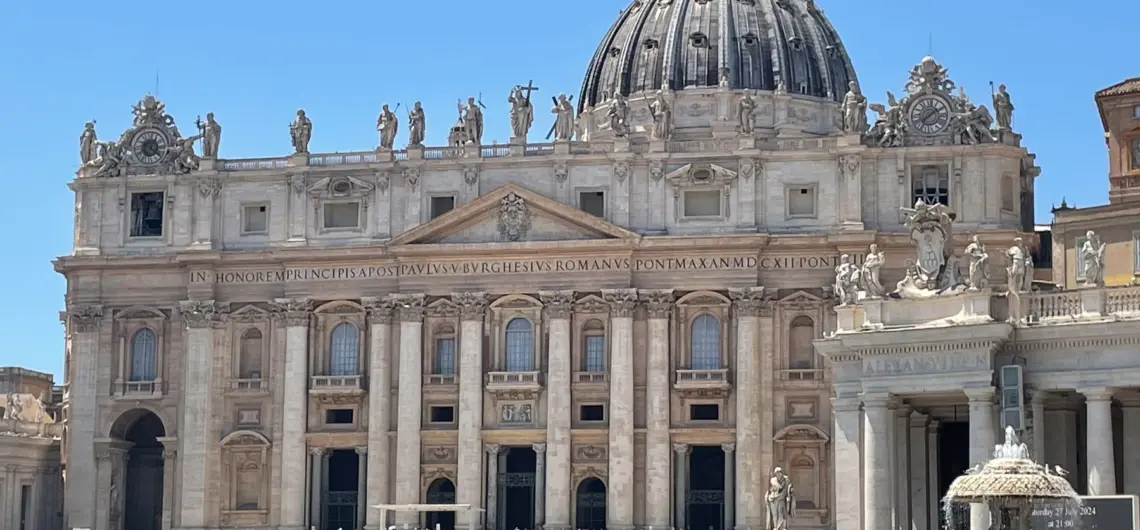
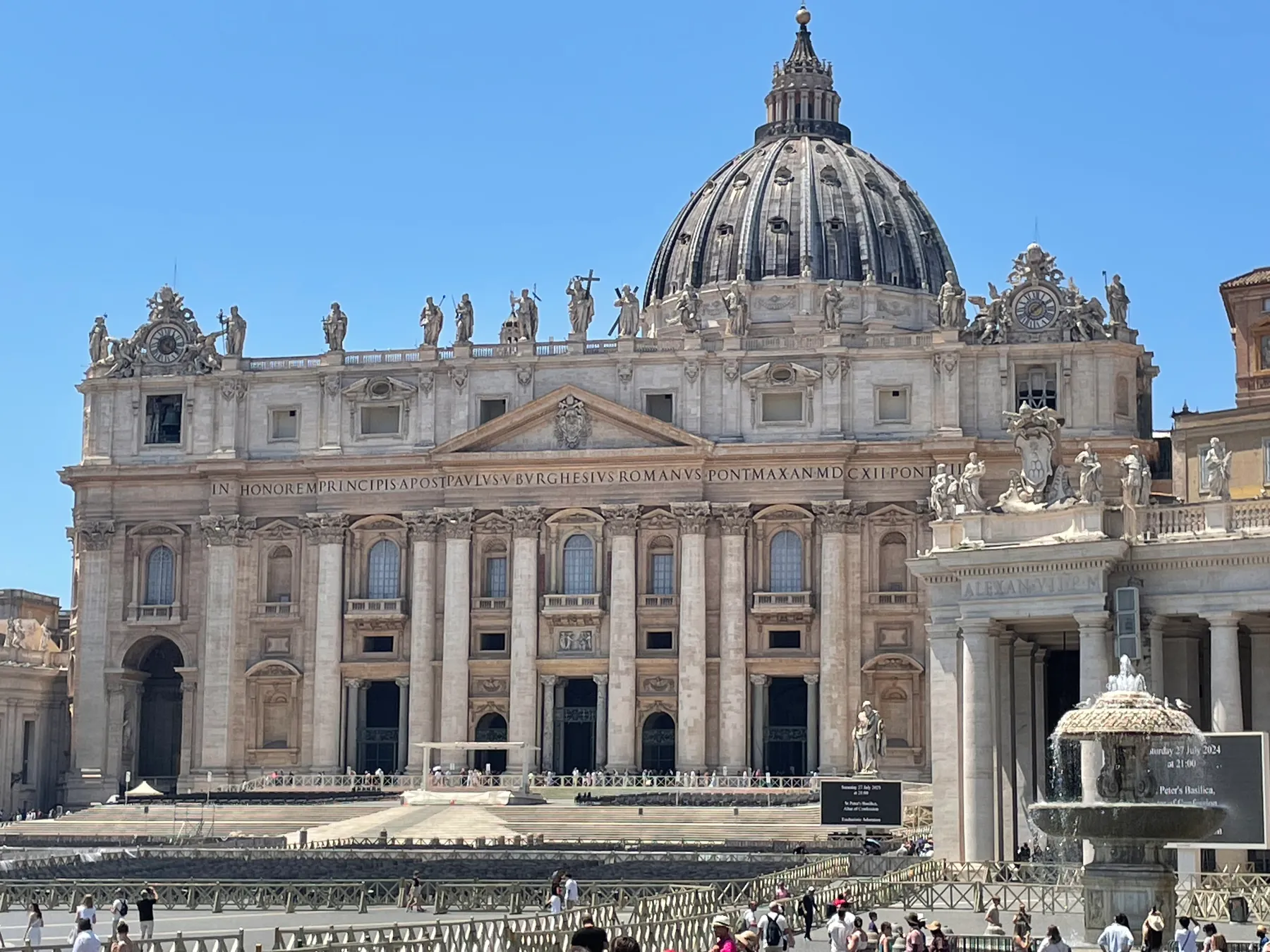
Facade and dome of St Peter’s Basilica seen from St Peter’s Square, Vatican City.
Updated and verified: 24 August 2026 · Official Vatican links and practical details can change, so always recheck the Holy See calendar before travelling.
The two most reliable ways to see Pope Leo XIV in Rome are the Wednesday General Audience and the Sunday Angelus in St Peter’s Square. General Audiences usually require a free ticket; the Sunday Angelus normally does not. Papal Masses and special celebrations offer further opportunities, but dates, venues and ticket arrangements vary.
This Catholic guide explains how to see Pope Leo XIV, how to request official tickets without paying a fee, what each event is really like, and how to plan a visit responsibly. It also introduces Robert Francis Prevost—Chicago-born missionary, Augustinian friar, Bishop of Rome and the first pope from the United States—and the Roman churches that illuminate his office and vocation.
Where are the popes buried? Explore St Peter’s, St John Lateran, St Mary Major, San Clemente, St Sebastian, St Lawrence and Rome’s catacombs in this authoritative Catholic guide.
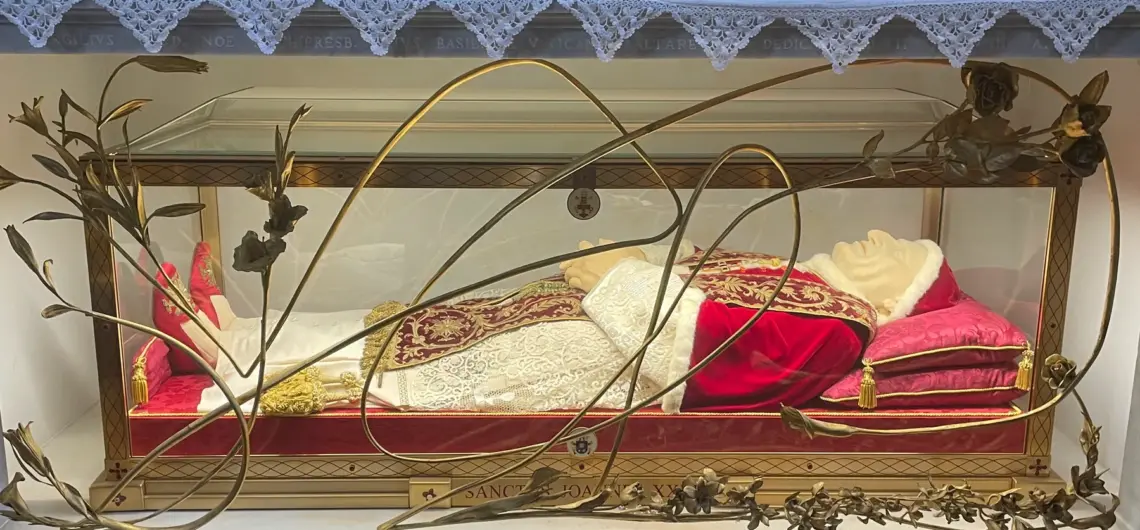
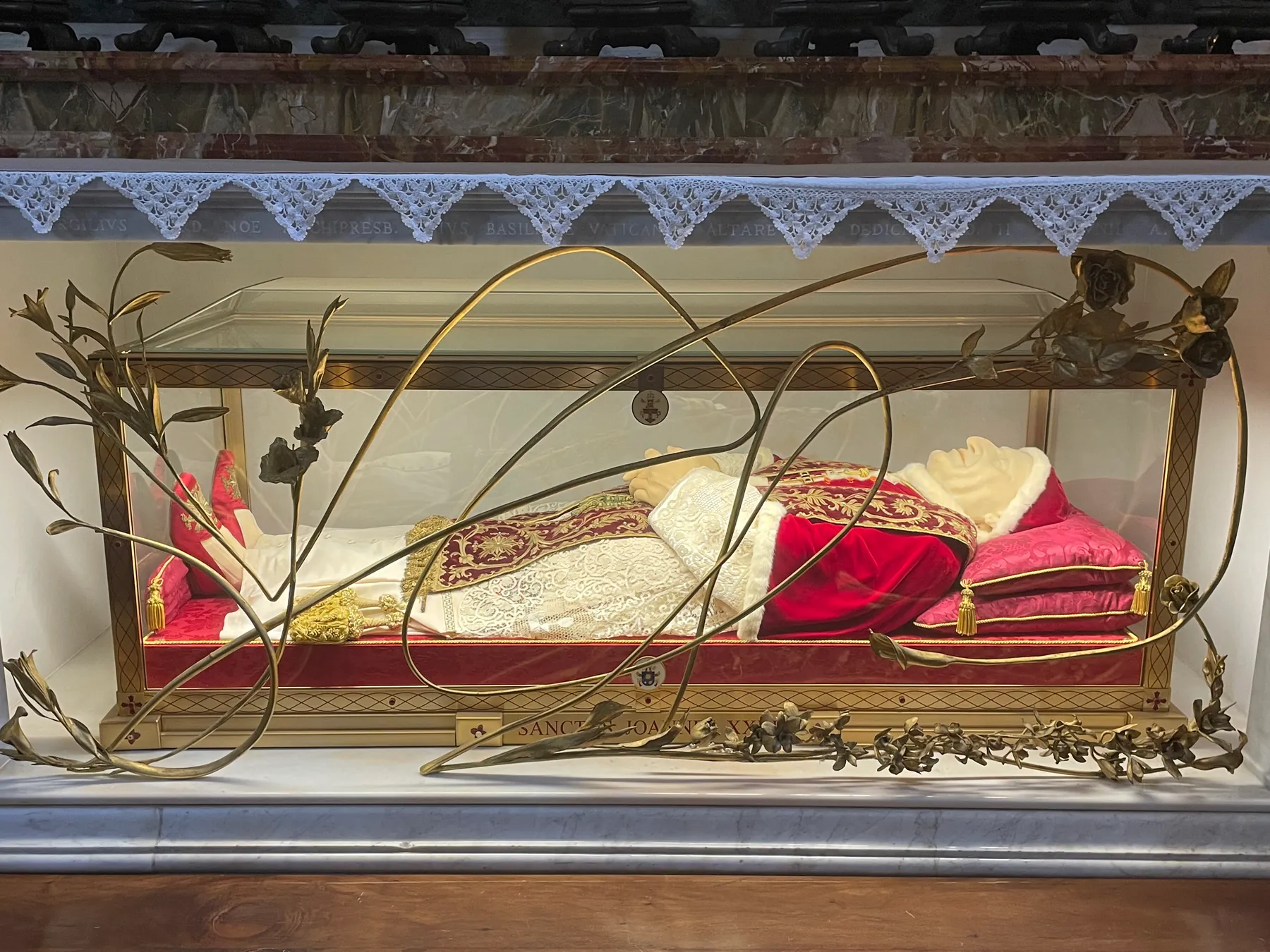
Tomb of Pope Saint John XXIII in St Peter’s Basilica, Vatican City.
Where are the popes buried? Most of the surviving papal tombs are in Rome, above all in St Peter’s Basilica. Yet the burial places of the successors of St Peter form a sacred map extending across the Eternal City—from the Vatican Grottoes to St John Lateran, St Mary Major, St Lawrence Outside the Walls, San Clemente and the ancient catacombs.
Discover the four Major Basilicas of Rome—St Peter’s, St John Lateran, St Mary Major and St Paul Outside the Walls—and learn how to visit them as a Catholic pilgrim.
Facade and dome of St Peter’s Basilica seen from St Peter’s Square, Vatican City.
Updated 20 August 2026
The four Major Basilicas of Rome are St Peter’s Basilica, the Archbasilica of St John Lateran, St Mary Major and St Paul Outside the Walls. Together they stand at the heart of Catholic Rome, joining the tombs of the Apostles, the Cathedral of the Pope, the Church’s devotion to Our Lady and the living pilgrimage tradition of the Eternal City.
For Catholic pilgrims, these are not simply four famous churches to place on a sightseeing list. Each basilica expresses a distinct part of the Church’s history and identity. Visiting all four creates a coherent pilgrimage through apostolic memory, sacred relics, Catholic worship, mosaics, architecture and the continuity of the Church in Rome.
Facade and dome of St Peter’s Basilica seen from St Peter’s Square, Vatican City. A Catholic pilgrimage to Rome begins before you arrive in the Eternal City. Prayerful preparation, realistic planning and a clear understanding of what you hope to encounter will help you receive Rome as a place of apostles, martyrs, basilicas, relics and living Catholic worship. This Catholic Rome checklist covers spiritual preparation, packing, church etiquette, mobility and tour choices. It provides practical value without turning pilgrimage into a hurried route plan or revealing the interpretative work properly reserved for your Catholic guide. Download the Catholic Rome Pilgrim Planner Print the free three-page Catholic Rome Pilgrim Planner and use it for your intentions, packing, church etiquette, tour choices and pilgrimage notes. Download the Catholic Rome Pilgrim Planner 1. Begin with a pilgrimage intention Rome can overwhelm even experienced travellers. The city contains more churches, saints, relics and works of sacred art than anyone can encounter properly in one visit. A written intention helps prevent the pilgrimage from becoming a collection of photographs and exhausted memories. Write down the people and intentions you will carry to Rome.Identify the saints, mysteries or periods of Church history that draw you most.Decide whether Mass, Confession, Adoration or private prayer should shape particular days.Ask for the grace to accept necessary changes with patience. A pilgrimage intention does not require a rigid timetable. It gives spiritual unity to the days while leaving room for the life of the Church and the needs of the people travelling with you. 2. Choose packages or individual Catholic tours A pilgrimage package is appropriate when you want a coherent Catholic programme across several days. Individual tours work better when you have a particular interest, limited time or an existing Rome itinerary to which you want to add Catholic
Facade and dome of St Peter’s Basilica seen from St Peter’s Square, Vatican City.
A Catholic pilgrimage to Rome begins before you arrive in the Eternal City. Prayerful preparation, realistic planning and a clear understanding of what you hope to encounter will help you receive Rome as a place of apostles, martyrs, basilicas, relics and living Catholic worship.
This Catholic Rome checklist covers spiritual preparation, packing, church etiquette, mobility and tour choices. It provides practical value without turning pilgrimage into a hurried route plan or revealing the interpretative work properly reserved for your Catholic guide.
Apse mosaics and high altar of Santa Prassede, Rome. Choosing among Catholic church tours in Rome becomes much easier once you decide what kind of pilgrimage you want to make. Rome offers papal basilicas, relics associated with Christ and the apostles, early Christian sites, underground archaeology, martyrs, saints and sacred art. No single tour can explore all of these well. This guide compares Crucis Tours products transparently by pilgrimage purpose. It is not a supposedly neutral ranking: the best Catholic tour in Rome is the one that fits your spiritual interests, available time and mobility. Start with the purpose of your pilgrimage Some pilgrims arrive in Rome wanting to encounter the four great papal basilicas. Others are drawn particularly to the Passion of Christ, the witness of St Peter and St Paul, the age of persecution, the catacombs or the development of Catholic sacred art. A family making its first visit may need a different experience from a parish group returning for a second or third pilgrimage. Begin by asking what you most want to understand and pray with. That answer is more useful than looking for a generic list of the “top” churches. Pilgrimage interestCrucis tour to considerWhy it fitsA first Catholic pilgrimage4 Major Basilicas in 1 DayBrings together Rome’s four Major Basilicas in one coherent Catholic experience.Relics of Christ and the PassionVia Crucis – Relics of Christ TourFollows the Incarnation and Passion through six sacred sites and Rome’s principal relic traditions.St Peter, St Paul and martyrdomSts Peter & Paul in Chains TourConcentrates upon the apostles, their chains and Roman martyrdom traditions.The earliest centuries of the ChurchEarly Christianity Tour RomeExplores the movement from the Apostolic Age and underground Church to public Christian Rome.Christian Rome undergroundSt Clement’s Basilica – Apostolic Rome Underground TourDescends through the successive religious and historical levels
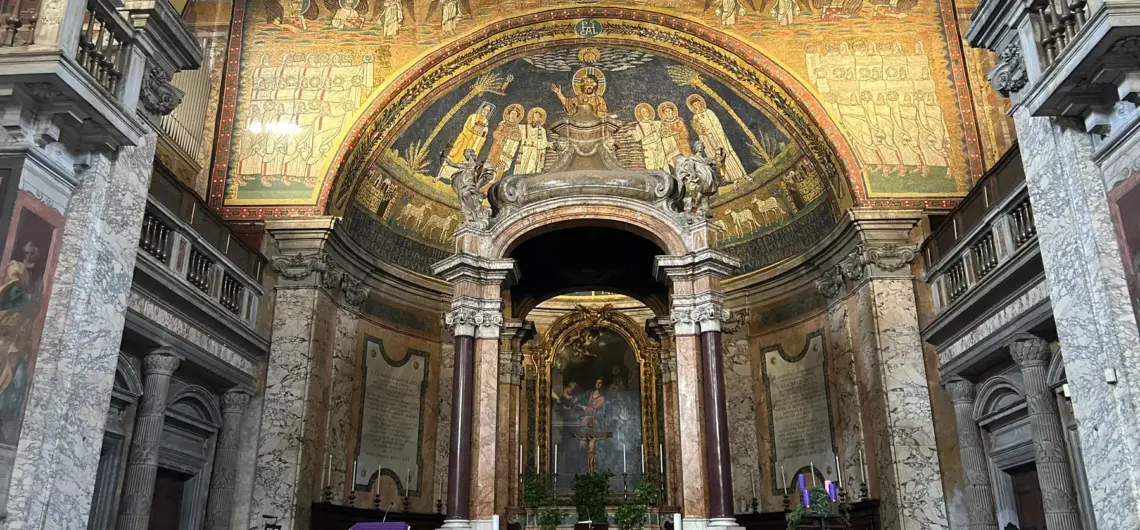
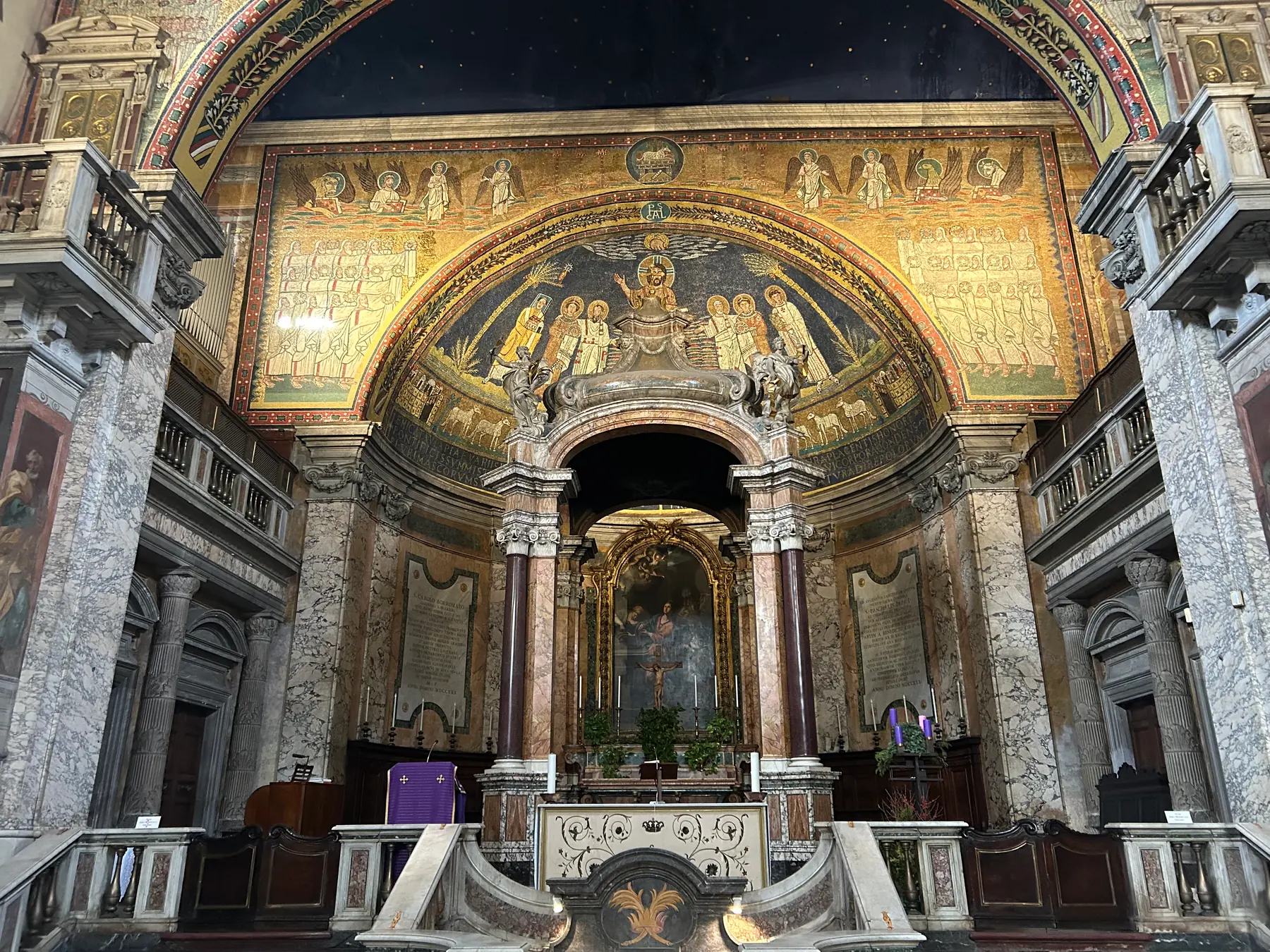
Apse mosaics and high altar of Santa Prassede, Rome.
Choosing among Catholic church tours in Rome becomes much easier once you decide what kind of pilgrimage you want to make. Rome offers papal basilicas, relics associated with Christ and the apostles, early Christian sites, underground archaeology, martyrs, saints and sacred art. No single tour can explore all of these well.
This guide compares Crucis Tours products transparently by pilgrimage purpose. It is not a supposedly neutral ranking: the best Catholic tour in Rome is the one that fits your spiritual interests, available time and mobility.
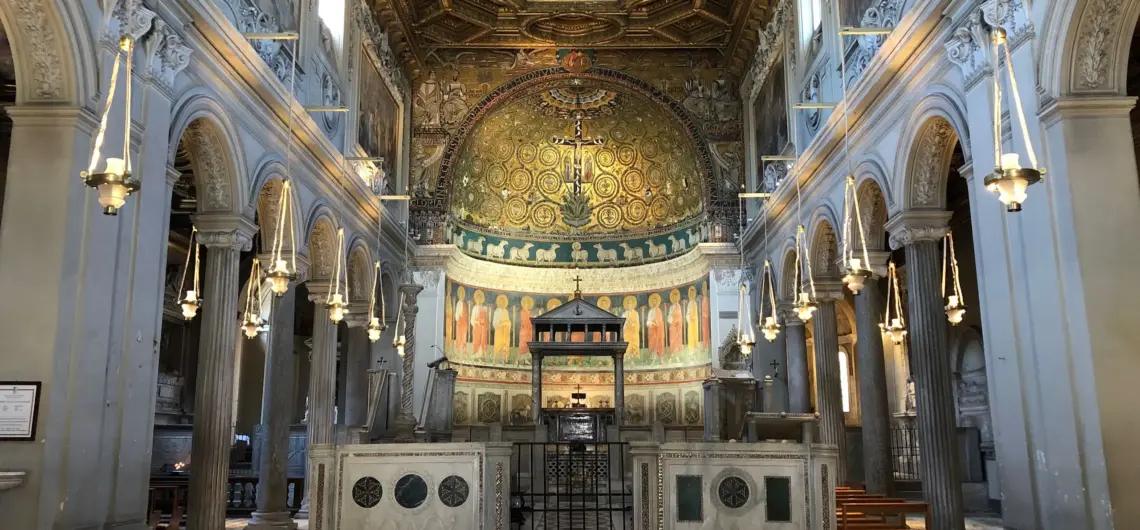
Updated 20 August 2026 San Clemente in Rome is one of the clearest places in the city to encounter the continuity of Catholic history. Near the Colosseum, a twelfth-century basilica stands above a fourth-century church and first-century Roman buildings. Descending through the complex is therefore not simply an archaeological experience: it is a journey from imperial Rome, through the age of the early Church, into the public and enduring worship of Catholic Rome. The Basilica of St Clement matters because its layers bring together apostolic memory, persecution, pagan Rome, Christian freedom, sacred art and the veneration of saints. Few churches allow pilgrims to see so vividly how the Catholic faith took root in Rome and remained present through the centuries. Explore San Clemente with an expert Catholic guide on the St Clement’s Basilica Underground Tour. San Clemente Rome: key facts QuestionAnswerWhere is San Clemente?About five minutes on foot from the Colosseum, on the road towards St John LateranWho is the basilica dedicated to?Pope St Clement I, an early successor of St PeterWhat are its principal levels?The present twelfth-century basilica, a fourth-century basilica and first-century Roman buildingsWhy is it important to Catholic history?It preserves evidence of Christian worship, sacred art and devotion across many centuriesWhich saints are especially connected with it?St Clement, St Ignatius of Antioch and St CyrilWho rediscovered the buried basilica?The Irish Dominican Fr Joseph Mullooly began the excavations in 1857 Who was Pope St Clement? The basilica takes its name from Pope St Clement I, traditionally counted among the earliest successors of St Peter. He lived close to the Apostolic Age and is remembered as one of the Apostolic Fathers: Christian writers whose lives and teaching form a bridge between the Apostles and the generations that followed them. That connection gives San Clemente a significance deeper than its
Updated 20 August 2026
San Clemente in Rome is one of the clearest places in the city to encounter the continuity of Catholic history. Near the Colosseum, a twelfth-century basilica stands above a fourth-century church and first-century Roman buildings. Descending through the complex is therefore not simply an archaeological experience: it is a journey from imperial Rome, through the age of the early Church, into the public and enduring worship of Catholic Rome.
The Basilica of St Clement matters because its layers bring together apostolic memory, persecution, pagan Rome, Christian freedom, sacred art and the veneration of saints. Few churches allow pilgrims to see so vividly how the Catholic faith took root in Rome and remained present through the centuries.
Find traditional Latin Mass in Rome, where the Church was built with the blood of the early martyrs.
Looking for a Traditional Latin Mass in Rome? Start with Santissima Trinità dei Pellegrini, served by the Priestly Fraternity of St Peter, and the Institute of Christ the King’s Rome apostolate, whose published services are currently at the Immacolata dei Miracoli. The SSPX also publishes a timetable for its chapel in Via Urbana. At Sant’Anna al Laterano, Crucis Tours has locally confirmed Sunday Mass at 16:00. Other churches often included in Rome Latin Mass lists need a fresh check before you plan around them.
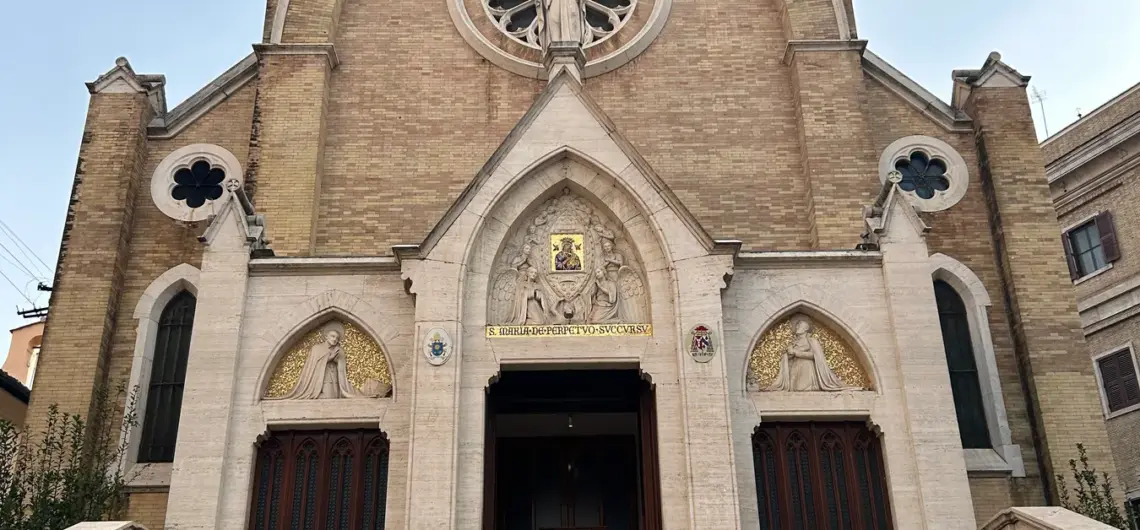
Looking for Mass in English in Rome? St Patrick’s, San Silvestro in Capite, Santo Spirito in Sassia and several other churches publish regular English-language services. Some options are seasonal, while the English Mass near St Peter’s tomb is monthly. Start with the timetable below, then check the church’s own notices for your travel date. Sources checked: 10 September 2026. All times are local to Rome. These are the schedules published by the churches and communities, rather than a guarantee that every future celebration will take place unchanged. Holy Week, Christmas, summer breaks and special events can affect arrangements. English Mass in Rome: quick timetable The nine places below currently publish an English Mass schedule. Term-time and summer exceptions are part of the timetable. San Clemente and the Gesù are discussed separately because we could not verify the regular English services previously listed here. Published English Mass times — Rome local time ChurchDays and timesCheck before visiting St Peter’s BasilicaFirst Saturday of the month, 07:15Monthly arrangement; check the dated list Santo Spirito in SassiaSundays and religious holidays, 09:00Special celebration notices Sant’Anna in VaticanoSunday/festive schedule, 15:30Suspended in July and August AngelicumMonday, Tuesday, Thursday and Friday, 12:25Only when classes are in session Domus AustraliaMonday–Friday and Sunday, 18:00Saturday Mass is in Italian St Patrick’sMonday–Friday and Saturday vigil, 18:00; Sunday, 09:00 and 10:30Holy-day times are announced separately San Silvestro in CapiteMonday–Saturday, 12:00; Sunday, 10:00 and 17:30Saturday evening vigil is in Italian Venerable English CollegeUsually Sunday, 10:00, and Wednesday, 18:30Term-time only; confirm the particular date St Alphonsus de LiguoriSundays/religious holidays, 15:30; Thursday, 17:00Check seasonal shrine notices Sant Alfonso is one of the churches discussed in this guide; the photograph shows its exterior, not a Mass in progress. Churches with published English Mass schedules St Peter’s Basilica: monthly English Mass The Pontifical North American College’s Visitors’ Office
Looking for Mass in English in Rome? St Patrick’s, San Silvestro in Capite, Santo Spirito in Sassia and several other churches publish regular English-language services. Some options are seasonal, while the English Mass near St Peter’s tomb is monthly. Start with the timetable below, then check the church’s own notices for your travel date.
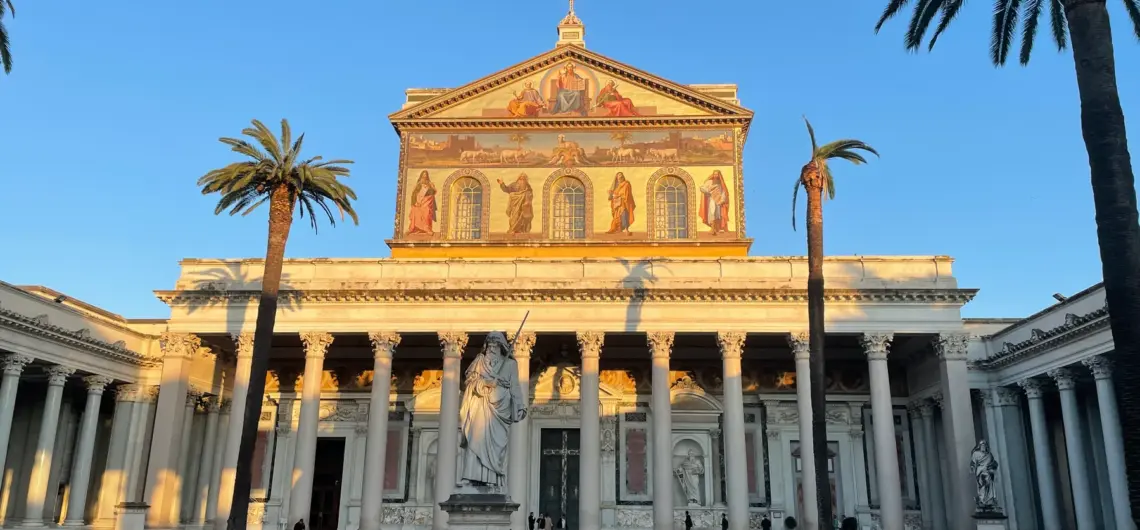
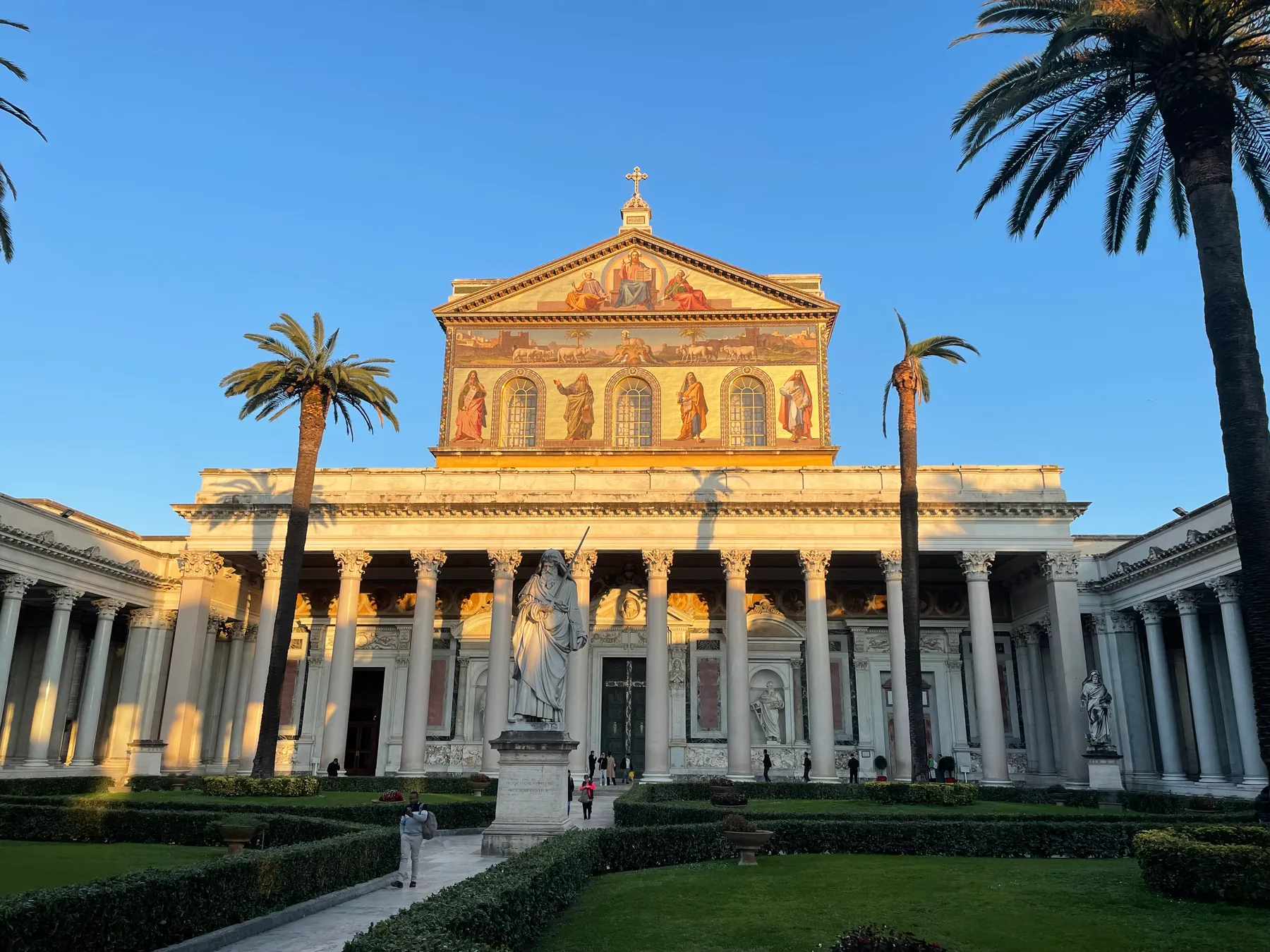
Courtyard and sunlit facade of St Paul Outside the Walls, Rome. Rome, often called the Eternal City, has long been a destination for Christian pilgrims seeking spiritual renewal and a connection to the faith’s earliest roots. One of the most historically significant pilgrimage traditions in Rome is the 7 Pilgrim Churches route, popularized in the 16th century by St. Philip Neri. This sacred journey involves visiting seven of the city’s most important churches, each holding deep religious and historical significance. In this article, we’ll explore the origins of the 7 Pilgrim Churches of Rome pilgrimage, the life of St. Philip Neri, the churches included in the tradition, and how the practice has evolved in modern times. The Origins of the 7 Pilgrim Churches of Rome Pilgrimage Pilgrimage has been an essential part of Christian spirituality for centuries, with Rome being a prime destination due to its status as the heart of the Catholic Church and the burial site of many apostles and saints. The 7 Pilgrim Churches of Rome pilgrimage traces its origins to the early Christian practice of visiting the city’s 4 major basilicas, especially during the Jubilee Years established by Pope Boniface VIII in 1300. By the 16th century, pilgrimage had become more structured, and it was St. Philip Neri who revitalized and popularized the devotion as a way to deepen faith, foster community, and encourage spiritual renewal. The Life and Mission of St. Philip Neri A Saint of Joy and Devotion St. Philip Neri (1515-1595) was an Italian priest known for his deep spirituality, joyful personality, and commitment to serving the poor. Born in Florence, he moved to Rome in 1533, where he dedicated himself to prayer, study, and works of charity. His charismatic nature and ability to connect with people earned him the nickname “Apostle of
Courtyard and sunlit facade of St Paul Outside the Walls, Rome.
Rome, often called the Eternal City, has long been a destination for Christian pilgrims seeking spiritual renewal and a connection to the faith’s earliest roots. One of the most historically significant pilgrimage traditions in Rome is the 7 Pilgrim Churches route, popularized in the 16th century by St. Philip Neri. This sacred journey involves visiting seven of the city’s most important churches, each holding deep religious and historical significance.
In this article, we’ll explore the origins of the 7 Pilgrim Churches of Rome pilgrimage, the life of St. Philip Neri, the churches included in the tradition, and how the practice has evolved in modern times.
Facade and dome of St Peter’s Basilica seen from St Peter’s Square, Vatican City. Holy Door status checked 25 August 2026. The Holy Doors at St John Lateran, St Mary Major and St Paul Outside the Walls closed on 28 December 2025. St Peter's Holy Door closed on 6 January 2026. The doors remain visible, but pilgrims cannot currently pass through them. The next anticipated Jubilee of the Redemption is in 2033. “Upon this rock I will build my Church.” Matthew 16:18 Where should Catholics visit in Rome? As bucket-list destinations go, this ancient and magnificent city is in many people’s top ten, but for Catholic pilgrims its not about la cucina italiana and the Colosseum at dusk. The centre of the known world at the time of the early Church, Christians were persecuted here for their faith until the legalisation of Christianity in 313. 13 years later St Helena, mother of emperor Constantine, organised the safe transit of the most sacred relics of the faith from Jerusalem to the heart of the empire - Rome. Long before that however, Rome was the place where many of the earliest martyrs were born, lived and died, and as the seat of the Pope, it is one of the two great holy cities of the world alongside Jerusalem. For Catholics, a pilgrimage to Rome is a spiritual odyssey. Many will come with plans to see St Peter’s and the other Major Basilicas, many will come to walk in the footsteps of Saints Peter and Paul, the Pillars of the Church. Some may even seek to attend mass and catch a glimpse of the Pope himself, but none are prepared for the impact that this mind-blowing city has on their lives. So where exactly should Catholics visit in Rome? We’ve curated the following
Facade and dome of St Peter’s Basilica seen from St Peter’s Square, Vatican City.
Holy Door status checked 25 August 2026. The Holy Doors at St John Lateran, St Mary Major and St Paul Outside the Walls closed on 28 December 2025. St Peter’s Holy Door closed on 6 January 2026. The doors remain visible, but pilgrims cannot currently pass through them. The next anticipated Jubilee of the Redemption is in 2033.
“Upon this rock I will build my Church.” Matthew 16:18
Where should Catholics visit in Rome? As bucket-list destinations go, this ancient and magnificent city is in many people’s top ten, but for Catholic pilgrims its not about la cucina italiana and the Colosseum at dusk. The centre of the known world at the time of the early Church, Christians were persecuted here for their faith until the legalisation of Christianity in 313. 13 years later St Helena, mother of emperor Constantine, organised the safe transit of the most sacred relics of the faith from Jerusalem to the heart of the empire – Rome.
Long before that however, Rome was the place where many of the earliest martyrs were born, lived and died, and as the seat of the Pope, it is one of the two great holy cities of the world alongside Jerusalem.
For Catholics, a pilgrimage to Rome is a spiritual odyssey. Many will come with plans to see St Peter’s and the other Major Basilicas, many will come to walk in the footsteps of Saints Peter and Paul, the Pillars of the Church. Some may even seek to attend mass and catch a glimpse of the Pope himself, but none are prepared for the impact that this mind-blowing city has on their lives.
So where exactly should Catholics visit in Rome? We’ve curated the following list, in no particular order, of places that will stir the faith of those who have it buried deep in their heart and will inspire those who already feel close to the Lord.
Rome transport fares checked 25 August 2026. ATAC currently lists the BIT ticket at €1.50 for 100 minutes, Roma 24H at €8.50, Roma 48H at €15, Roma 72H at €22 and the seven-day CIS pass at €29. Fares, service hours and planned works can change, so confirm them on the official ATAC ticket page and check live ATAC service information before travelling. Rome, with its rich history, stunning architecture and vibrant culture, is a city best explored on foot. However, when your destination is a bit farther or you want to save time, the extensive public bus system is a budget-friendly option that lets you truly live life like a local! But non-locals often don't know how to take the bus in Rome... How to Take the Bus in Rome Navigating the city by bus can be an enriching experience, allowing you to witness the daily life of Romans and see the city. In this guide, we'll walk you through everything you need to know about taking the bus in Rome. Taking the bus in Rome is a fantastic way to see the city. Photo by Henrik Nørby. Understanding the Bus System in Rome Rome's bus system is operated by ATAC (Azienda per la Mobilità), the city's public transport company. The extensive network covers the entire city and its outskirts, making it a mode of transportation for both locals and tourists. To make the most of your bus journey, familiarise yourself with the bus routes, stops, and schedules. Public transport in Rome helps you to understand the Italian sense of humour. Image from Google Maps. Planning Your Route Before embarking on your bus adventure, plan your journey using online tools or mobile apps that provide real-time information about Rome bus routes and schedules. Google Maps tends to be more reliable
Rome transport fares checked 25 August 2026. ATAC currently lists the BIT ticket at €1.50 for 100 minutes, Roma 24H at €8.50, Roma 48H at €15, Roma 72H at €22 and the seven-day CIS pass at €29. Fares, service hours and planned works can change, so confirm them on the official ATAC ticket page and check live ATAC service information before travelling.
Rome, with its rich history, stunning architecture and vibrant culture, is a city best explored on foot. However, when your destination is a bit farther or you want to save time, the extensive public bus system is a budget-friendly option that lets you truly live life like a local! But non-locals often don’t know how to take the bus in Rome…
Rome transport fares checked 25 August 2026. ATAC currently lists the BIT ticket at €1.50 for 100 minutes, Roma 24H at €8.50, Roma 48H at €15, Roma 72H at €22 and the seven-day CIS pass at €29. Fares, service hours and planned works can change, so confirm them on the official ATAC ticket page and check live ATAC service information before travelling. Although there are various forms of public transport in Rome including underground rail, above ground trains, trams, buses and taxis, this article delves into using the underground rail network called the Metro in Rome. Rome, the Eternal City, is a bustling metropolis that offers visitors a treasure trove of historical and cultural wonders. While many of its attractions can be reached on foot, the Rome Metro, or Metropolitana di Roma, is an efficient and convenient way to navigate the city. This guide will provide you with valuable information on how to take the Metro in Rome, ensuring that your journey through this historic city is smooth, enjoyable and memorable. The Rome Metro doesn’t cover much of the city but it is the fastest and cheapest way to travel. Photo by Marco Chilese. Understanding Rome's Metro System Rome's Metro system is relatively young compared to other European cities, with its first line, Line A (Orange Line), opening in 1980. Since then, the network has expanded to include three lines: Line A, Line B (Blue Line), and Line C (Green Line). The Metro in Rome is managed by ATAC (Azienda per la Mobilità), the city's public transportation company. Each line is colour-coded, making it easy to identify and navigate the system. Line A (Orange Line) Line A connects the northwest and southeast of Rome, passing through some of the city's most iconic landmarks including the Vatican City, the Spanish Steps
Rome transport fares checked 25 August 2026. ATAC currently lists the BIT ticket at €1.50 for 100 minutes, Roma 24H at €8.50, Roma 48H at €15, Roma 72H at €22 and the seven-day CIS pass at €29. Fares, service hours and planned works can change, so confirm them on the official ATAC ticket page and check live ATAC service information before travelling.
Although there are various forms of public transport in Rome including underground rail, above ground trains, trams, buses and taxis, this article delves into using the underground rail network called the Metro in Rome.Rome, the Eternal City, is a bustling metropolis that offers visitors a treasure trove of historical and cultural wonders. While many of its attractions can be reached on foot, the Rome Metro, or Metropolitana di Roma, is an efficient and convenient way to navigate the city. This guide will provide you with valuable information on how to take the Metro in Rome, ensuring that your journey through this historic city is smooth, enjoyable and memorable.The Rome Metro doesn’t cover much of the city but it is the fastest and cheapest way to travel.