

Catholic relics are authentic witnesses to the Incarnation, the Passion of Christ and the holy lives of the saints. The Church has preserved them through continuous custody, ancient tradition, ecclesiastical seals, reliquaries and public veneration. Catholics honour relics because they direct the believer towards Christ and the saints.
What is a Catholic relic?
A relic is a physical object associated with a saint or with the life and Passion of Christ. Traditionally, relics are classified according to whether they are bodily remains, objects used by the holy person, or objects brought into contact with another relic.
Relics arise from the Catholic conviction that God works through the material world. Christianity is founded upon the Incarnation: the Word became flesh. Matter is therefore capable of serving as a sign and instrument of grace.
Is relic veneration biblical?
Scripture includes occasions when God works through physical objects associated with holy people. The bones of Elisha, the hem of Christ’s garment and cloths associated with St Paul all appear within biblical accounts of healing or divine power.
Catholics do not understand the object as possessing independent magical power. God is the source of grace; the relic bears witness to His work in a human life.
Does the Church worship relics?
No. Adoration belongs to God alone. Catholic theology distinguishes the worship owed to God from the honour shown to saints and the respectful veneration given to their relics.
When Catholics kneel before a relic of the Cross, their devotion is directed to Jesus Christ and His saving Passion. The material sign helps focus memory, prayer and gratitude.
How are relics authenticated?
The Church authenticates relics through written records, seals, reliquaries, ecclesiastical documentation and continuity of custody. Scientific analysis can further establish the age, origin and material of sacred objects, supporting the tradition preserved by Catholic authorities.
Across the centuries, bishops, religious communities and basilicas safeguarded relics according to the standards of their age. Their continuous veneration forms an important part of the Church’s historical memory.
What about relics of Jesus Christ?
Because Catholics believe that Christ rose bodily and ascended into Heaven, relics associated with Him are generally objects connected with His life and Passion rather than bodily remains.
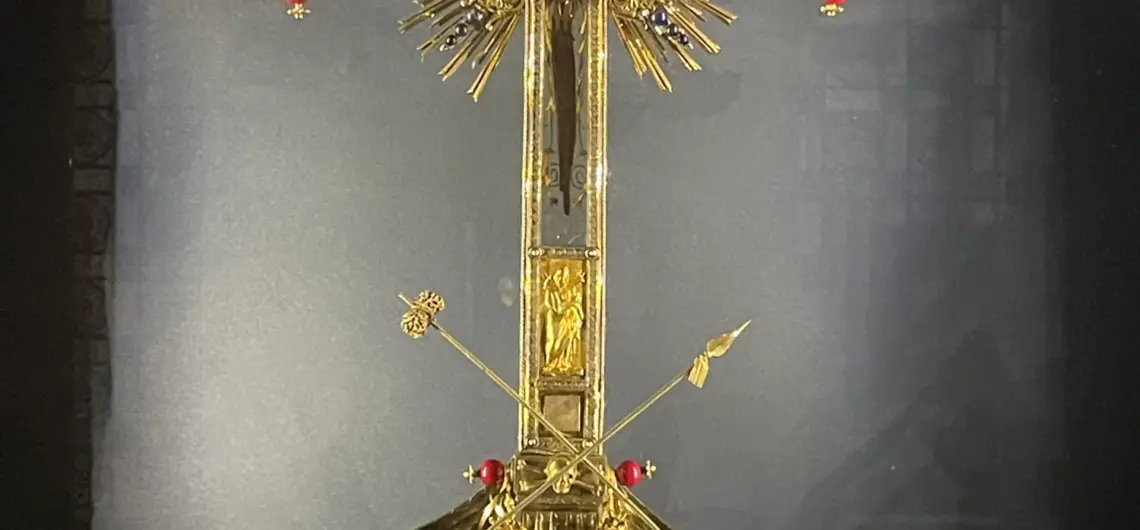
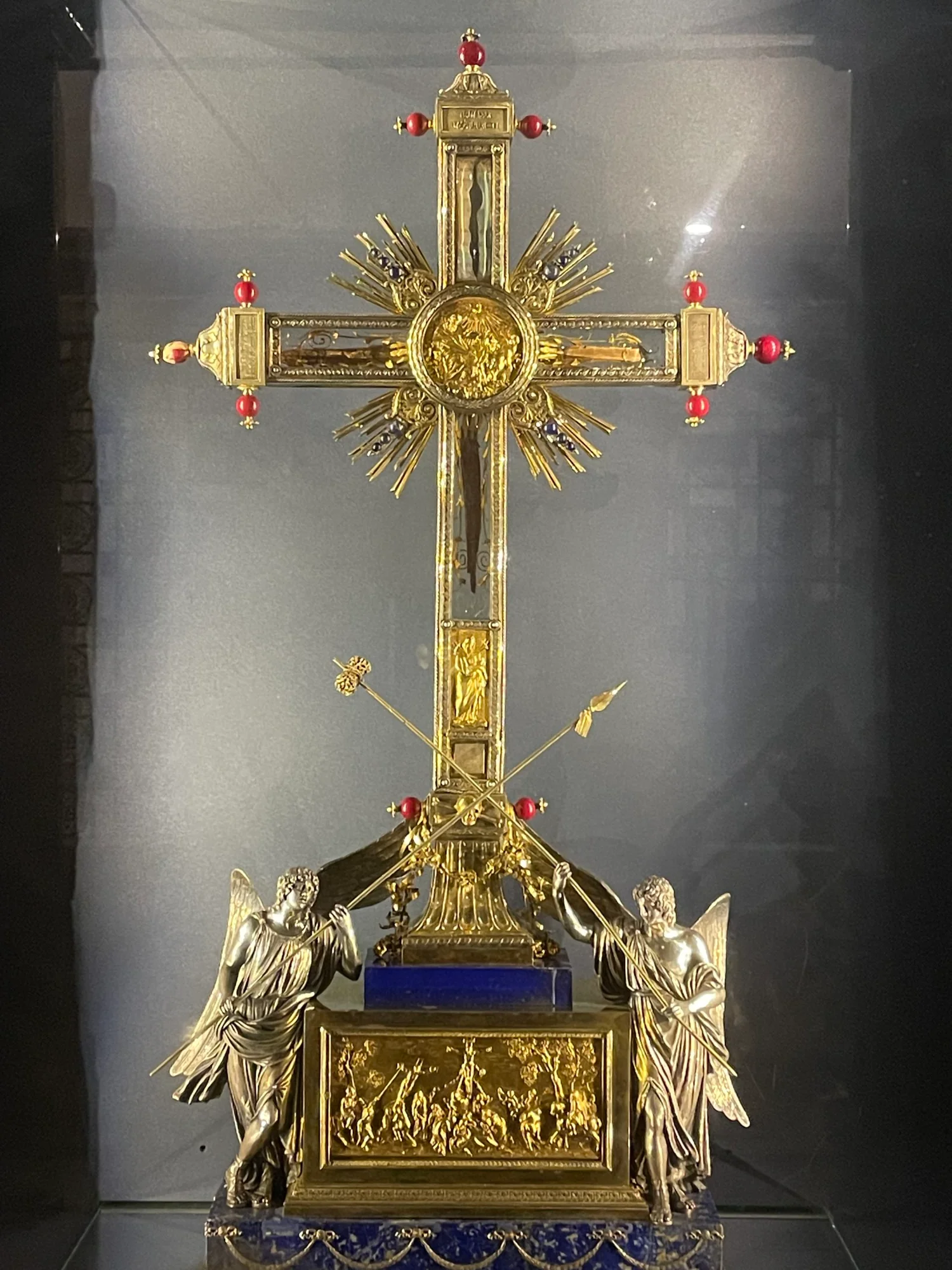
Rome preserves traditions concerning the Holy Crib, the Column of the Flagellation, the Holy Stairs, True Cross, Holy Nail, Crown of Thorns, Holy Lance, Holy Sponge and other sacred objects.
Together these sacred objects form a remarkable inheritance of Catholic devotion. Each brings the pilgrim into contact with a particular mystery of the Incarnation or Passion and with centuries of prayer offered in its presence.
Why do Catholics trust the Church’s custody of relics?
Catholics trust the Church’s custody of relics because sacred objects have been preserved within the same living communion that received Scripture, maintained apostolic worship and guarded the tombs and memories of the martyrs.
Ecclesiastical recognition places a relic within the ordered devotional life of the Church. It assures the faithful that veneration is directed towards Christ and the communion of saints rather than towards superstition.
Why do Catholics venerate relics?
Many important human acts depend upon signs, memorials and inherited objects. A wedding ring, battlefield memorial or family grave matters because it connects memory, love and physical reality.
A relic functions within a far deeper Christian horizon. It reminds the pilgrim that sanctity was lived in a real body and that Christ’s saving work entered material history.
Through the relic, Catholic devotion reaches towards the holy person or sacred event it represents and ultimately towards Christ crucified and risen.
A Catholic way to visit relics
Pilgrims should approach relics with reverence, prayer and confidence in the Church’s sacred tradition. The purpose of veneration is always centred upon Christ and the holiness He works through His saints.
Crucis Tours presents Catholic tradition confidently and explains why these sacred objects have mattered to generations of believers. Begin with our guide to the relics of Jesus Christ in Rome or encounter the principal Roman traditions on the Via Crucis – Relics of Christ Tour.