Courtyard and sunlit facade of St Paul Outside the Walls, Rome. Rome, often called the Eternal City, has long been a destination for Christian pilgrims seeking spiritual renewal and a connection to the faith’s earliest roots. One of the most historically significant pilgrimage traditions in Rome is the 7 Pilgrim Churches route, popularized in the 16th century by St. Philip Neri. This sacred journey involves visiting seven of the city’s most important churches, each holding deep religious and historical significance. In this article, we’ll explore the origins of the 7 Pilgrim Churches of Rome pilgrimage, the life of St. Philip Neri, the churches included in the tradition, and how the practice has evolved in modern times. The Origins of the 7 Pilgrim Churches of Rome Pilgrimage Pilgrimage has been an essential part of Christian spirituality for centuries, with Rome being a prime destination due to its status as the heart of the Catholic Church and the burial site of many apostles and saints. The 7 Pilgrim Churches of Rome pilgrimage traces its origins to the early Christian practice of visiting the city’s 4 major basilicas, especially during the Jubilee Years established by Pope Boniface VIII in 1300. By the 16th century, pilgrimage had become more structured, and it was St. Philip Neri who revitalized and popularized the devotion as a way to deepen faith, foster community, and encourage spiritual renewal. The Life and Mission of St. Philip Neri A Saint of Joy and Devotion St. Philip Neri (1515-1595) was an Italian priest known for his deep spirituality, joyful personality, and commitment to serving the poor. Born in Florence, he moved to Rome in 1533, where he dedicated himself to prayer, study, and works of charity. His charismatic nature and ability to connect with people earned him the nickname “Apostle of
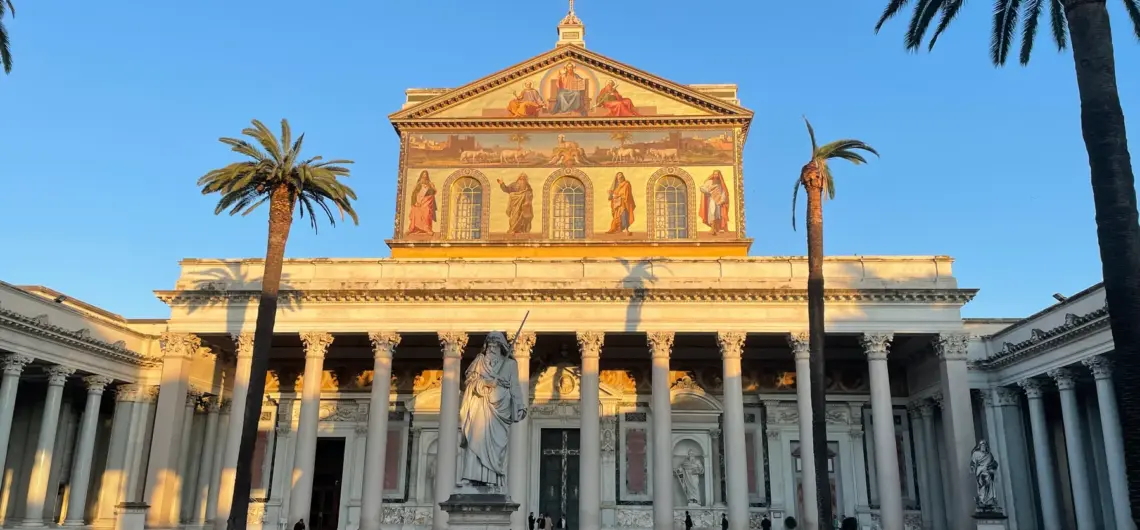
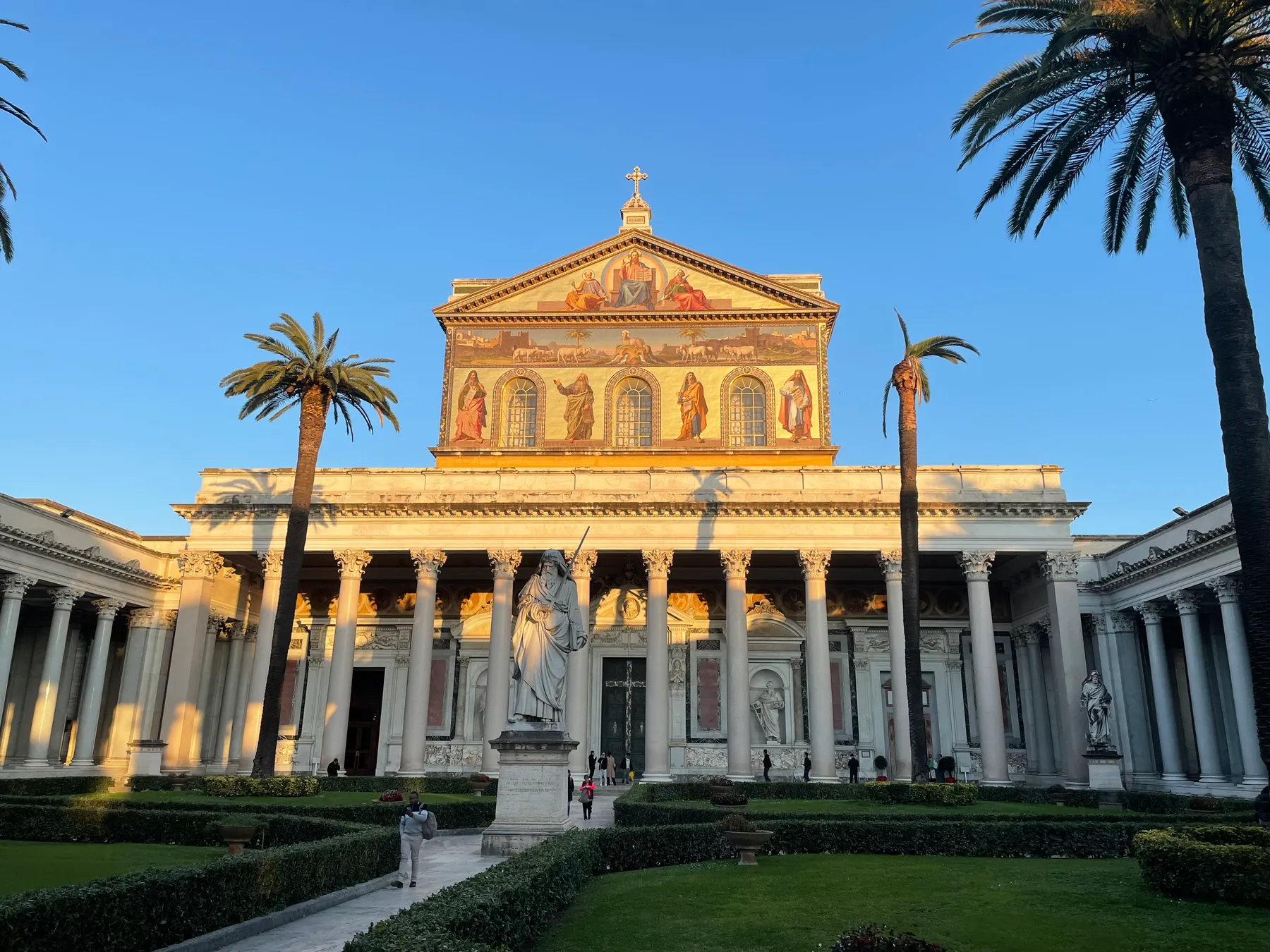
Courtyard and sunlit facade of St Paul Outside the Walls, Rome.
Rome, often called the Eternal City, has long been a destination for Christian pilgrims seeking spiritual renewal and a connection to the faith’s earliest roots. One of the most historically significant pilgrimage traditions in Rome is the 7 Pilgrim Churches route, popularized in the 16th century by St. Philip Neri. This sacred journey involves visiting seven of the city’s most important churches, each holding deep religious and historical significance.
In this article, we’ll explore the origins of the 7 Pilgrim Churches of Rome pilgrimage, the life of St. Philip Neri, the churches included in the tradition, and how the practice has evolved in modern times.
Facade and dome of St Peter’s Basilica seen from St Peter’s Square, Vatican City. Holy Door status checked 25 August 2026. The Holy Doors at St John Lateran, St Mary Major and St Paul Outside the Walls closed on 28 December 2025. St Peter's Holy Door closed on 6 January 2026. The doors remain visible, but pilgrims cannot currently pass through them. The next anticipated Jubilee of the Redemption is in 2033. “Upon this rock I will build my Church.” Matthew 16:18 Where should Catholics visit in Rome? As bucket-list destinations go, this ancient and magnificent city is in many people’s top ten, but for Catholic pilgrims its not about la cucina italiana and the Colosseum at dusk. The centre of the known world at the time of the early Church, Christians were persecuted here for their faith until the legalisation of Christianity in 313. 13 years later St Helena, mother of emperor Constantine, organised the safe transit of the most sacred relics of the faith from Jerusalem to the heart of the empire - Rome. Long before that however, Rome was the place where many of the earliest martyrs were born, lived and died, and as the seat of the Pope, it is one of the two great holy cities of the world alongside Jerusalem. For Catholics, a pilgrimage to Rome is a spiritual odyssey. Many will come with plans to see St Peter’s and the other Major Basilicas, many will come to walk in the footsteps of Saints Peter and Paul, the Pillars of the Church. Some may even seek to attend mass and catch a glimpse of the Pope himself, but none are prepared for the impact that this mind-blowing city has on their lives. So where exactly should Catholics visit in Rome? We’ve curated the following
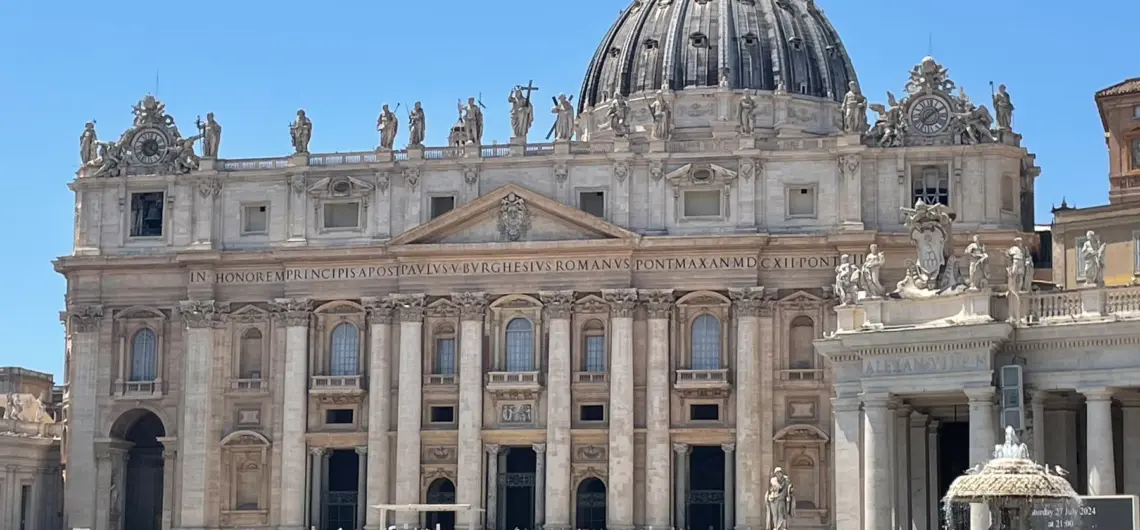
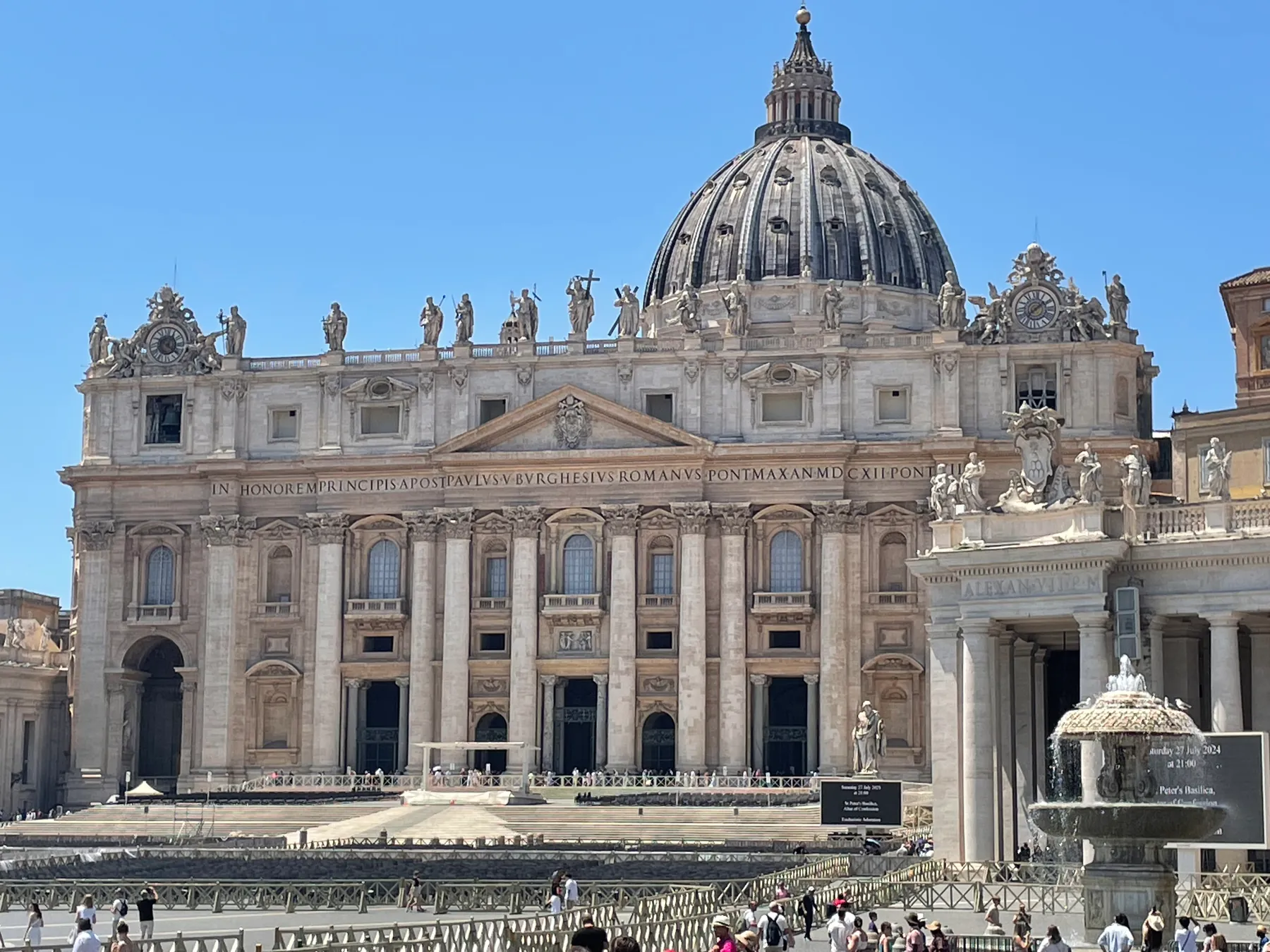
Facade and dome of St Peter’s Basilica seen from St Peter’s Square, Vatican City.
Holy Door status checked 25 August 2026. The Holy Doors at St John Lateran, St Mary Major and St Paul Outside the Walls closed on 28 December 2025. St Peter’s Holy Door closed on 6 January 2026. The doors remain visible, but pilgrims cannot currently pass through them. The next anticipated Jubilee of the Redemption is in 2033.
“Upon this rock I will build my Church.” Matthew 16:18
Where should Catholics visit in Rome? As bucket-list destinations go, this ancient and magnificent city is in many people’s top ten, but for Catholic pilgrims its not about la cucina italiana and the Colosseum at dusk. The centre of the known world at the time of the early Church, Christians were persecuted here for their faith until the legalisation of Christianity in 313. 13 years later St Helena, mother of emperor Constantine, organised the safe transit of the most sacred relics of the faith from Jerusalem to the heart of the empire – Rome.
Long before that however, Rome was the place where many of the earliest martyrs were born, lived and died, and as the seat of the Pope, it is one of the two great holy cities of the world alongside Jerusalem.
For Catholics, a pilgrimage to Rome is a spiritual odyssey. Many will come with plans to see St Peter’s and the other Major Basilicas, many will come to walk in the footsteps of Saints Peter and Paul, the Pillars of the Church. Some may even seek to attend mass and catch a glimpse of the Pope himself, but none are prepared for the impact that this mind-blowing city has on their lives.
So where exactly should Catholics visit in Rome? We’ve curated the following list, in no particular order, of places that will stir the faith of those who have it buried deep in their heart and will inspire those who already feel close to the Lord.
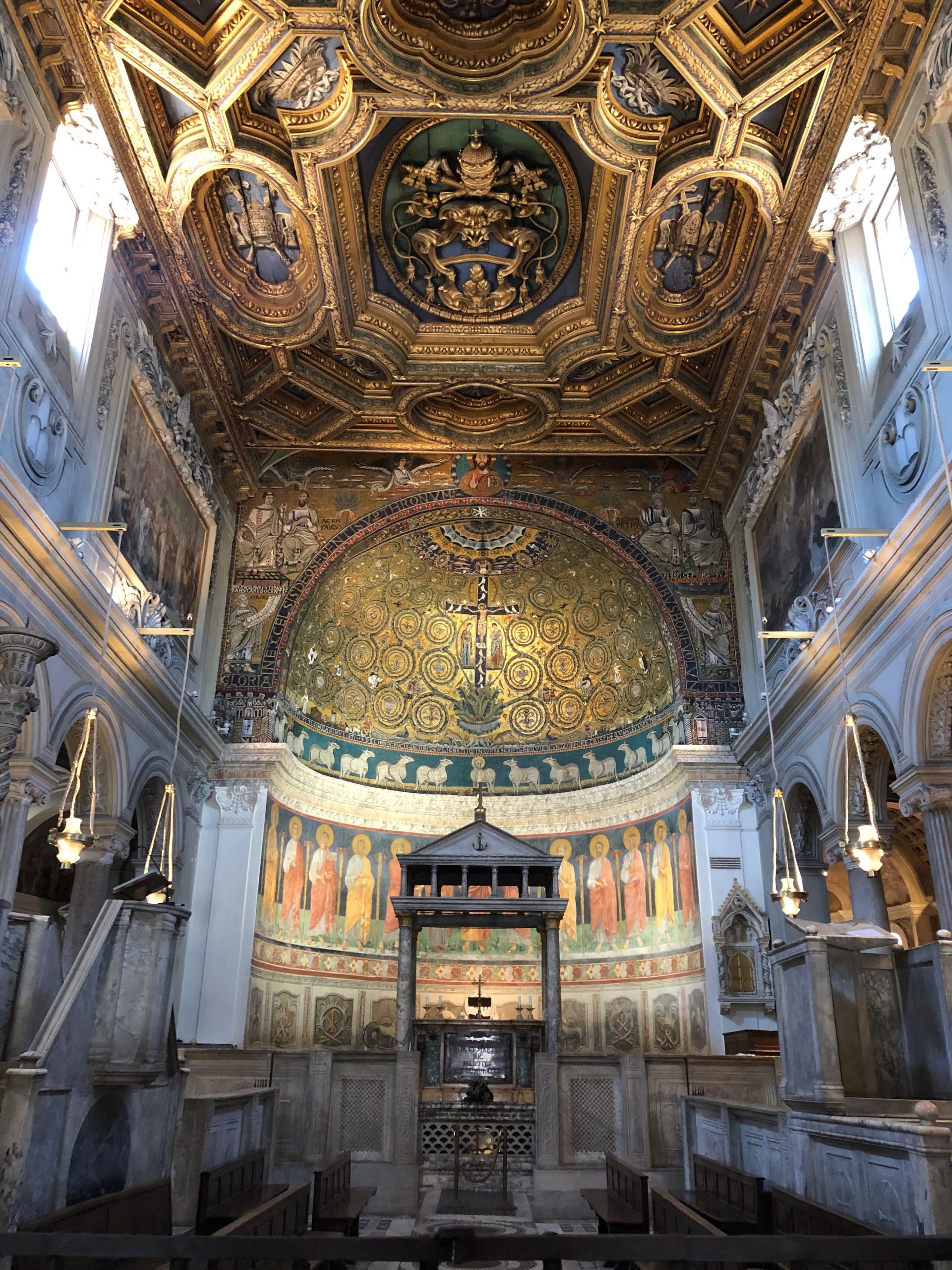
Nave, apse mosaic and altar of San Clemente, Rome. The ancient tradition of visiting certain churches in Rome, known as Station Churches, during the solemn season of Lent is like a mini-pilgrimage and journey in faith. History of the Station Churches of Rome From the earliest exhortation of Jesus to Peter to feed His lambs and feed His sheep, the role of the Bishop of Rome has been to build up the Body of Christ within his jurisdiction by nourishing the faithful as a father, teacher, doctor, gardener, shepherd, leader and protector. Whilst the Catholic Church was undergoing intense persecution in the first centuries, then the Bishop did this in a personal and hidden way. However, with the legalisation of the Church in 313 A.D. the Bishop could more openly & visibly interact with his flock. As Pope Benedict XIV noted in his UBI PRIMUM (On the Duties of Bishops) in 1740 from Santa Maria Maggiore, the Bishop has the 'the obligation of visiting [his] churches [...] in order to acquaint [himself] with [his] sheep and with the appearance of [his] flock.' Indeed we know that from the 4th century onwards, the Bishop of Rome, the Pope, would interact with different parishes of his diocese by visiting different churches at different times. These visitations were often linked to the liturgical calendar - for example saying Holy Mass at Santa Croce on Good Friday, or Santa Maria Maggiore at Christmas, but also linked to different relics and deaths of the Roman martyrs. As time went on, the schedule of these visits became more formalised as the liturgical calendar became more concrete by the second half of the 5th century. Lent and Station Churches Entrance portico of Santa Sabina on the Aventine, Rome. During the solemn liturgical season of Lent - a
Nave, apse mosaic and altar of San Clemente, Rome.
The ancient tradition of visiting certain churches in Rome, known as Station Churches, during the solemn season of Lent is like a mini-pilgrimage and journey in faith.
Rome transport fares checked 25 August 2026. ATAC currently lists the BIT ticket at €1.50 for 100 minutes, Roma 24H at €8.50, Roma 48H at €15, Roma 72H at €22 and the seven-day CIS pass at €29. Fares, service hours and planned works can change, so confirm them on the official ATAC ticket page and check live ATAC service information before travelling. Rome, with its rich history, stunning architecture and vibrant culture, is a city best explored on foot. However, when your destination is a bit farther or you want to save time, the extensive public bus system is a budget-friendly option that lets you truly live life like a local! But non-locals often don't know how to take the bus in Rome... How to Take the Bus in Rome Navigating the city by bus can be an enriching experience, allowing you to witness the daily life of Romans and see the city. In this guide, we'll walk you through everything you need to know about taking the bus in Rome. Taking the bus in Rome is a fantastic way to see the city. Photo by Henrik Nørby. Understanding the Bus System in Rome Rome's bus system is operated by ATAC (Azienda per la Mobilità), the city's public transport company. The extensive network covers the entire city and its outskirts, making it a mode of transportation for both locals and tourists. To make the most of your bus journey, familiarise yourself with the bus routes, stops, and schedules. Public transport in Rome helps you to understand the Italian sense of humour. Image from Google Maps. Planning Your Route Before embarking on your bus adventure, plan your journey using online tools or mobile apps that provide real-time information about Rome bus routes and schedules. Google Maps tends to be more reliable
Rome transport fares checked 25 August 2026. ATAC currently lists the BIT ticket at €1.50 for 100 minutes, Roma 24H at €8.50, Roma 48H at €15, Roma 72H at €22 and the seven-day CIS pass at €29. Fares, service hours and planned works can change, so confirm them on the official ATAC ticket page and check live ATAC service information before travelling.
Rome, with its rich history, stunning architecture and vibrant culture, is a city best explored on foot. However, when your destination is a bit farther or you want to save time, the extensive public bus system is a budget-friendly option that lets you truly live life like a local! But non-locals often don’t know how to take the bus in Rome…
Rome transport fares checked 25 August 2026. ATAC currently lists the BIT ticket at €1.50 for 100 minutes, Roma 24H at €8.50, Roma 48H at €15, Roma 72H at €22 and the seven-day CIS pass at €29. Fares, service hours and planned works can change, so confirm them on the official ATAC ticket page and check live ATAC service information before travelling. Although there are various forms of public transport in Rome including underground rail, above ground trains, trams, buses and taxis, this article delves into using the underground rail network called the Metro in Rome. Rome, the Eternal City, is a bustling metropolis that offers visitors a treasure trove of historical and cultural wonders. While many of its attractions can be reached on foot, the Rome Metro, or Metropolitana di Roma, is an efficient and convenient way to navigate the city. This guide will provide you with valuable information on how to take the Metro in Rome, ensuring that your journey through this historic city is smooth, enjoyable and memorable. The Rome Metro doesn’t cover much of the city but it is the fastest and cheapest way to travel. Photo by Marco Chilese. Understanding Rome's Metro System Rome's Metro system is relatively young compared to other European cities, with its first line, Line A (Orange Line), opening in 1980. Since then, the network has expanded to include three lines: Line A, Line B (Blue Line), and Line C (Green Line). The Metro in Rome is managed by ATAC (Azienda per la Mobilità), the city's public transportation company. Each line is colour-coded, making it easy to identify and navigate the system. Line A (Orange Line) Line A connects the northwest and southeast of Rome, passing through some of the city's most iconic landmarks including the Vatican City, the Spanish Steps
Rome transport fares checked 25 August 2026. ATAC currently lists the BIT ticket at €1.50 for 100 minutes, Roma 24H at €8.50, Roma 48H at €15, Roma 72H at €22 and the seven-day CIS pass at €29. Fares, service hours and planned works can change, so confirm them on the official ATAC ticket page and check live ATAC service information before travelling.
Although there are various forms of public transport in Rome including underground rail, above ground trains, trams, buses and taxis, this article delves into using the underground rail network called the Metro in Rome.Rome, the Eternal City, is a bustling metropolis that offers visitors a treasure trove of historical and cultural wonders. While many of its attractions can be reached on foot, the Rome Metro, or Metropolitana di Roma, is an efficient and convenient way to navigate the city. This guide will provide you with valuable information on how to take the Metro in Rome, ensuring that your journey through this historic city is smooth, enjoyable and memorable.The Rome Metro doesn’t cover much of the city but it is the fastest and cheapest way to travel.